
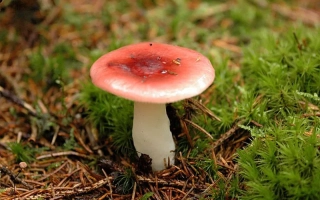


SKU #8490
·
545 views
Real Chanterelle
Mushrooms
User rating
0 votes0% positive reviews
No ratings yet — be the first.
Household Value
Edible Mushroom
Mushroom Type
Gilled mushrooms
Prices in stores
from48 €per 1 kg
pack from 0.48 € per 10 g
7 offers from 7 stores
Store offers · 7 from 7 stores
Prices are updated on loadLoading offers…
Available at: Перший Оптовий · 7 Соток · Kivagro · ОптоМания · Plodsad · Все Росте · Zelensvit
Aggregator catalog: prices are collected automatically from store websites, normalized by AI and converted at the current exchange rate. Before ordering, confirm the price and availability on the store's website. This block is not indexed by search engines — the data is loaded after the page opens.
About product

A firm, highly-prized gilled mushroom with a distinct piney aroma and a unique, crisp culinary texture.
Household Value
Edible Mushroom
Mushroom Type
Gilled mushrooms
Description
A Forest Delicacy with Distinctive Qualities
Saffron milk cap (Lactarius deliciosus) stands out in the world of gilled mushrooms due to its firm texture and a unique, slightly nutty flavor profile. Unlike many other wild mushrooms that become mushy when cooked, the saffron milk cap maintains its structural integrity, making it a favorite for culinary enthusiasts who value texture.
Strengths and Culinary Utility
- Exceptional Texture: Its dense flesh remains firm and crisp even after pickling or salting.
- Gourmet Profile: Known for a distinct piney aroma that complements both simple and complex recipes.
- Natural Markers: The bright orange latex that turns green upon exposure to air is a natural signature of the species.
While its appearance (the greening of the juice) might be off-putting to some, it is the hallmark of the authentic species. The primary challenge with this mushroom is its perishability. It is a 'fast-mover'—it must be processed within 24 hours of harvesting, or it will quickly lose its firmness and commercial appeal. This is its main weakness compared to more stable, woody species.
Why Choose the Saffron Milk Cap
This mushroom is the ideal choice for those looking for a premium pickling ingredient. It outperforms other gilled mushrooms in its ability to absorb spices while retaining its own earthy, resinous character. Whether you are a professional chef or a gourmet home cook, the saffron milk cap offers a balance of tradition and high-quality flavor that few other wild mushrooms can match.
Video · 9 videos
Suggest a video →Specifications
| Household Value | |
|---|---|
| Mushroom Type | |
| Catalog | Catalog → Mushrooms |
Not yet комментариев. Be the first!






See also
Often considered together with this variety


Recently viewed
Products you’ve viewed on this site
Reviews · 0