


SKU #8515
·
443 views
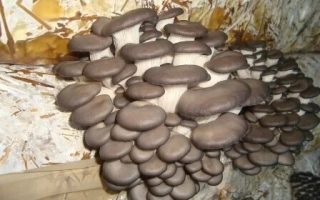
Pleurotus ostreatus
Mushrooms
User rating
0 votes0% positive reviews
No ratings yet — be the first.
Household Value
Edible Mushroom
Mushroom Type
Gilled mushrooms
Prices in stores
from5.18 €per 1 kg
pack from 2.87 € per 0.5 l
2 offers from 2 stores
Store offers · 2 from 2 stores
Prices are updated on loadLoading offers…
Available at: Дары Природы · Grubu · Ogorod
Aggregator catalog: prices are collected automatically from store websites, normalized by AI and converted at the current exchange rate. Before ordering, confirm the price and availability on the store's website. This block is not indexed by search engines — the data is loaded after the page opens.
About product

A heat-tolerant oyster mushroom with a dense texture, ideal for high-yield summer production.
Household Value
Edible Mushroom
Mushroom Type
Gilled mushrooms
Description
Why commercial growers choose Pleurotus cornucopiae
In the professional mushroom industry, the branching oyster mushroom (Pleurotus cornucopiae) is highly valued for its heat tolerance and consistent fruiting. Unlike common oyster strains, this variety thrives during warmer months, making it an excellent choice for indoor farms that lack expensive cooling infrastructure.
Operational advantages
- Fast Substrate Colonization: The mycelium is aggressive, allowing for faster turnover of mushroom blocks. This trait reduces the necessity for extreme substrate sterilization processes when using straw or sunflower hulls, saving both time and energy.
- Market Appeal & Durability: The fruit bodies feature a distinct trumpet shape and a firm, dense texture. This makes them significantly more resistant to mechanical damage during handling and transportation, ensuring a higher "first-grade" yield percentage at the point of sale.
- Efficient Harvesting: Because the mushrooms grow in tight clusters, manual harvesting is highly efficient. The specific morphology allows workers to cut blocks quickly, reducing labor costs per kilogram.
For successful commercial production, the main focus should be on maintaining high humidity (85–90%) during the pinhead formation stage. If environmental parameters are met, this variety provides a reliable and profitable harvest cycle, making it a staple for diversified mushroom operations.
Video · 9 videos
Suggest a video →Specifications
| Household Value | |
|---|---|
| Mushroom Type | |
| Catalog | Catalog → Mushrooms |
Not yet комментариев. Be the first!



See also
Often considered together with this variety


Recently viewed
Products you’ve viewed on this site
Reviews · 0