


SKU #73440
·
63 views
PRIOKSKY
Agastache
User rating
0 votes0% positive reviews
No ratings yet — be the first.
Herbs
Lofant
Registration year
2025
About product

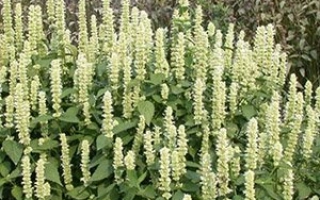
A high-performance honey-producing variety with a robust anise scent, ideal for apiary support and aromatic crop production.
Herbs
Lofant
Registration year
2025
Description
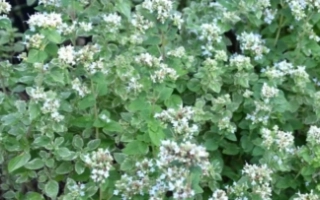
The Prioksky variety: A strategic asset for apiaries and herbal production
Developed by the Federal Research Center for Beekeeping, the Prioksky anise hyssop (Lophanthus) variety is a professional-grade solution for enhancing nectar flow. Unlike wild populations, this variety offers a reliable and consistent nectar secretion cycle, making it a key component in modern apicultural management.
Practical applications in agricultural practice
- Nectar flow bridge: Prioksky hits its peak bloom during July and August, filling the mid-summer gap when primary honey flows cease. This prevents the need for supplemental syrup feeding and keeps hive health optimal before overwintering.
- Essential oil and herbal production: Rich in methyl chavicol, this variety is highly sought after by producers of organic essential oils and herbal tea blends. It serves as a consistent source of raw material for distillation.
- Natural pest management: Planting Prioksky as a buffer crop around vegetable fields creates a protective perimeter. The potent anise aroma naturally repels many common pests, reducing the dependency on synthetic insecticides.
Cultivation of Prioksky is straightforward and well-suited for moderate climates. It thrives in well-drained, fertile soil and responds well to regular light maintenance. When grown for biomass, harvesting should coincide with early full bloom to ensure maximum concentration of essential oils. For apiary use, it is critical to select sunny locations, as the sugar content of the nectar is directly proportional to daily sunlight exposure.
Specifications
| Herbs | |
|---|---|
| Registration year | 2025 |
| Catalog | Catalog → Agastache |
| Legal data |
Show · 1 |
| Country | Russia |
Store offers
Prices are updated on loadLoading offers…
Aggregator catalog: prices are collected automatically from store websites, normalized by AI and converted at the current exchange rate. Before ordering, confirm the price and availability on the store's website. This block is not indexed by search engines — the data is loaded after the page opens.
Not yet комментариев. Be the first!




See also
Often considered together with this variety







Recently viewed
Products you’ve viewed on this site
Reviews · 0