


SKU #68087
·
56 views
September
Flax
NPSCH LLC "Siberian Oil-Seeds"User rating
0 votes0% positive reviews
No ratings yet — be the first.
Plant Height
50-60
Flower Color
White
Registration year
2024
Prices in stores
from1.37 €per 1 kg
pack from 13.71 € per 10 kg
1 offer from 1 store
Store offers · 1 from 1 stores
Prices are updated on loadLoading offers…
Available at: Цибулинка
Aggregator catalog: prices are collected automatically from store websites, normalized by AI and converted at the current exchange rate. Before ordering, confirm the price and availability on the store's website. This block is not indexed by search engines — the data is loaded after the page opens.
About product

A stable, high-yield flax variety with strong pest resistance and an optimal profile for mechanized harvesting.
Plant Height
50-60
Flower Color
White
Registration year
2024
Description
Technical Profile of the "Sentyabr" Flax Variety
The breeding program of the Russian research center NPSSSKH "Sibirskie maslo-semena" (Siberian Oil Seeds) focuses on adapting the "Sentyabr" oil flax variety to harsh agricultural environments while maintaining stable productivity. In regions with high environmental risk, the vegetation period is a critical factor, and this variety offers an optimal balance of morphological traits.
Morphology and Physiology
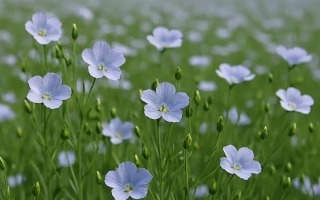
A plant height of 50–60 cm is ideal for mechanized harvesting, providing sufficient vegetative mass for yield formation while minimizing the risk of lodging during periods of intense rainfall. The white color of the flowers serves as a distinctive visual marker of this specific breeding line.
Agronomic Resistance
A primary advantage of the "Sentyabr" variety is its biological resistance to specific pests, notably the Colorado potato beetle. This characteristic significantly reduces the frequency of insecticide applications, ultimately lowering the pesticide load on the soil and minimizing production costs. Sourcing seeds directly from the breeder, "Sibirskie maslo-semena," ensures variety purity and consistent development throughout all ontogenetic stages.
Practical Implementation
The "Sentyabr" flax variety shows remarkable plasticity across various soil and climatic zones. The crop utilizes moisture efficiently during the stem elongation stage, making it suitable for both extensive and intensive farming systems. Low harvesting losses are achieved due to the uniform canopy height, which simplifies header adjustment and improves the purity of the commercial grain.
Crop & resistance
Crop
Pest resistance
Specifications
| Plant Height | 50-60 |
|---|---|
| Flower Color | |
| Registration year | 2024 |
| Catalog | Catalog → Flax |
| Manufacturer | NPSCH LLC "Siberian Oil-Seeds" |
| Country | Russia |
Not yet комментариев. Be the first!
Alternatives
Flax seeds · similar varieties




See also
Often considered together with this variety



Recently viewed
Products you’ve viewed on this site
Reviews · 0