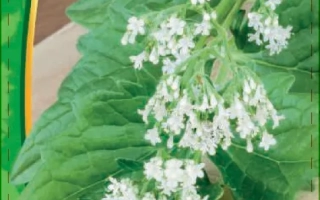
Eleutherococcus senticosus (Siberian Ginseng) – a perennial plant growing in high-altitude subalpine and alpine meadows, as well as in the cedar sparse forest of the Sayan. The plant's roots are thin, fibrous, and form a dense woody rhizome; they contain alkaloids, ecdysterone, sugars, essential oils, inulin, tannins and resinous substances, carotene, vitamin C, and minerals. These components give Siberian ginseng a toning and stimulating effect: they increase muscle contraction strength, improve cerebral blood supply, promote endurance and coordination.
In medicine, Siberian ginseng roots are used as medicinal raw material. With long-term use, it reduces disease incidence, improves well-being, lowers heart rate under load, and enhances mental activity. Preparations based on Siberian ginseng are used for functional disorders of the central nervous system, exhaustion, insomnia, diabetes, chronic alcoholism, as well as in sports programs for competition preparation.
There are several methods of application: tincture (10 g of root per 100 ml of vodka, infused for 2 weeks; take 20–30 drops twice a day), infusion (1 tsp of root per 250 ml of boiling water, infused for 2 hours; take 50 ml three to four times a day), and powder (crushed root mixed with honey 1:9, take one tablespoon three times a day). When used correctly, Siberian ginseng provides a multivitamin effect, normalizes water-salt metabolism, and improves the function of the sex glands, however, it is contraindicated in hypertension, cardiovascular diseases, epilepsy, increased nervous excitability, and insomnia.