Professional Weed Control in Cereals and Maize
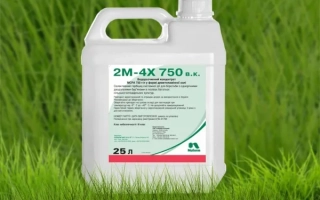
«2,4-D Active» by Sunrise Chemicals is a systemic herbicide designed for professionals who prioritize reliable and selective control of broadleaf weeds. By utilizing 2-ethylhexyl ester, this formulation ensures rapid penetration into plant tissues, which is crucial for achieving high efficacy even when weather conditions are less than ideal.
Application and Scenarios
This product serves as a key tool for managing weed pressure in fields of winter wheat, winter barley, rye, oats, and maize. As a post-emergence selective herbicide, it allows farmers to target problematic broadleaf weeds without impacting the growth or yield of the primary crop. In practice, it is widely used as a "rescue" treatment to suppress vigorous weed growth early in the season.
- Target Weeds: It is highly effective against field thistle (Cirsium arvense), common lambsquarters (Chenopodium album), and a wide range of annual and perennial broadleaf species.
- Method of Action: As a foliar-applied herbicide, it ensures quick absorption, significantly reducing the risk of being washed away by rain soon after application.
- Usage Guidelines: The application rate ranges from 0.5 to 1.0 L/ha. The emulsifiable concentrate (EC) formulation is easy to mix and highly compatible with standard farm spray equipment.
Agronomic Tips for Success
The systemic nature of «2,4-D Active» means it works best when applied during the active growth phase of the weeds. Delaying treatment until weeds are too mature can reduce its efficiency. Because the product is selective, it maintains a safe profile for cereal crops when used within the recommended dosage rates. Classified under toxicity class 3, it follows standard handling protocols, making it a reliable and manageable solution for intensive field crop production. Whether you are managing light weed infestation or addressing more persistent perennials, this product provides a balanced approach to field sanitation.












Reviews · 1