


SKU #32858
·
54 views
Maize Rosomak
Corn
Golden West Seed BulgariaUser rating
0 votes0% positive reviews
No ratings yet — be the first.
Ripening
100-110 days
Hybrid Type
Simple Hybrid
Kernel Type
Flint
Use Direction
Grain
Store offers · 3 from 2 stores
Prices are updated on loadLoading offers…
Aggregator catalog: prices are collected automatically from store websites, normalized by AI and converted at the current exchange rate. Before ordering, confirm the price and availability on the store's website. This block is not indexed by search engines — the data is loaded after the page opens.
About product

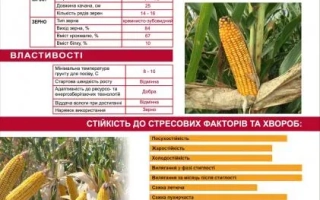
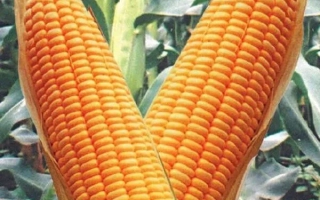
Rosomak — a medium-early corn hybrid (Zea mays L.), included in the State Register for the Central Chernozem and Lower Volga regions for grain production. Medium-height plant with medium-sized leaves and slightly curved leaf blades. Tassel flowering occurs in early-to-medium terms. Medium-length, weakly conical ear with a large number of rows of orange-colored kernels. Kernel type is intermediate,…
Ripening
100-110 days
Hybrid Type
Simple Hybrid
Kernel Type
Flint
Use Direction
Grain
Description
Rosomak — a medium-early corn hybrid (Zea mays L.), included in the State Register for the Central Chernozem and Lower Volga regions for grain production. Medium-height plant with medium-sized leaves and slightly curved leaf blades. Tassel flowering occurs in early-to-medium terms. Medium-length, weakly conical ear with a large number of rows of orange-colored kernels. Kernel type is intermediate, closer to flint. The hybrid exhibits moderate resistance to common rust and weak anthocyanin pigmentation of some plant parts. The Rosomak hybrid is characterized by good stem strength and resistance to Fusarium wilt, enhancing its reliability under various agroclimatic conditions. It is adapted for cultivation on lighter soils and areas with insufficient rainfall, making it a promising choice for regions with variable moisture levels. In 2012, the variety successfully passed trials in Romania and Ukraine, demonstrating high yields even under water deficit. Average grain yield in the Central Chernozem region reaches 82.8 c/ha, which is 14.5% higher than the standard, and in the Lower Volga region — 52.6 c/ha, which is 4.4% higher than the standard. The vegetative period ranges from 101–116 days depending on the region. Pre-harvest grain moisture is at an optimal level, facilitating harvesting and storage. Choosing the Rosomak hybrid, farmers obtain a reliable and high-yielding material suitable for various cultivation zones.
Crop & resistance
Crop
Disease resistance
Specifications hover over for a hint about the specification
| Ripening | 100-110 days |
|---|---|
| Hybrid Type | |
|
Kernel Type
Kernel Type
Dent corn (Zea mays indentata) — Large, elongated, flat kernels. The endosperm is horny on the sides of the kernel, mealy in the center and at the top. A depression forms at the top of the kernel upon ripening. Dent corn is the most widely cultivated group among others. Plants ty... |
|
|
Use Direction
Use Direction
Dual-purpose hybrids: for silage and grain in all growing regions. These are "stay-green" type hybrids, meaning the plants remain green for a longer period. However, this does not affect the sugar, cellulose, and hemicellulose content, nor the degree of lignification of the plant... |
|
| Registration year | 2016 |
| Catalog | Catalog → Corn |
| Manufacturer | Golden West Seed Bulgaria |
Not yet комментариев. Be the first!
Alternatives
Maize seeds · similar varieties





See also
Often considered together with this variety








Recently viewed
Products you’ve viewed on this site
Reviews · 0