


SKU #56421
·
37 views
CNA 1124
Corn
SyngentaUser rating
0 votes0% positive reviews
No ratings yet — be the first.
FAO
90–1240
Ripening
65-68 days
Hybrid Type
Sh2 (supersweet), Hybrid
Kernel Type
Yellow, Flint
Prices in stores
from0.18 €per 1 kg
pack from 0.09 € per 500 g
1 offer from 1 store
Store offers · 1 from 1 stores
Prices are updated on loadLoading offers…
Available at: Веснодар
Aggregator catalog: prices are collected automatically from store websites, normalized by AI and converted at the current exchange rate. Before ordering, confirm the price and availability on the store's website. This block is not indexed by search engines — the data is loaded after the page opens.
About product

Ultra-early SH2 hybrid maturing in 65-68 days, perfectly suited for the fresh market.
FAO
90–1240
Ripening
65-68 days
Hybrid Type
Sh2 (supersweet), Hybrid
Kernel Type
Yellow, Flint
Description
Maximizing early market potential with Syngenta CNA 1124
For growers focused on early-season vegetable production, the CNA 1124 hybrid from Syngenta represents a strategic choice for fast ROI. Classified with an FAO of 90–1240, this super-sweet (SH2) hybrid reaches maturity in just 65–68 days, allowing farmers to hit the fresh produce market before the bulk of the harvest begins.
Field performance and agronomic value
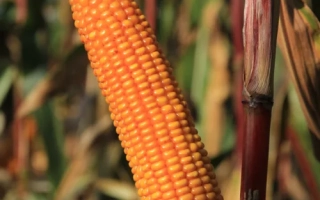
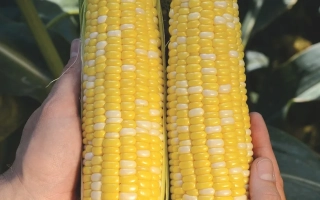
The key to CNA 1124’s success lies in the combination of its ultra-early maturity and flint-type yellow grain. On the field, this manifests as excellent early-season vigor, which is essential for surviving fluctuating spring temperatures. The crop provides high-quality cobs that are specifically optimized for fresh market consumption, ensuring high consumer appeal through uniform grain color and superior taste.
Practical use cases in your operation
- Early Market Dominance: By planting CNA 1124, producers can secure the high price points associated with the first fresh corn of the season.
- Fresh Market Ready: The grain quality is tailored for fresh consumption and retail display, holding up well during transport and storage when harvested at the right maturity stage.
- Optimized Labor: The short growth cycle allows for better planning of harvest labor and machinery usage, creating a streamlined production schedule.
By leveraging Syngenta’s expertise in corn genetics, CNA 1124 provides a robust solution for farmers who need consistency, speed, and high commercial value in a short production window.
Crop & resistance
Crop
Specifications hover over for a hint about the specification
|
FAO
FAO
Corn hybrids are classified by maturity groups and by the FAO number. All corn hybrids are distributed according to the FAO scale. Under Central European conditions, a difference of 10 FAO units between hybrids results in a 1-2 day difference in their maturity. The higher the FAO... |
90–1240 |
|---|---|
| Ripening | 65-68 days |
| Hybrid Type | |
|
Kernel Type
Kernel Type
Dent corn (Zea mays indentata) — Large, elongated, flat kernels. The endosperm is horny on the sides of the kernel, mealy in the center and at the top. A depression forms at the top of the kernel upon ripening. Dent corn is the most widely cultivated group among others. Plants ty... |
|
|
Use Direction
Use Direction
Dual-purpose hybrids: for silage and grain in all growing regions. These are "stay-green" type hybrids, meaning the plants remain green for a longer period. However, this does not affect the sugar, cellulose, and hemicellulose content, nor the degree of lignification of the plant... |
|
| Registration year | 2019 |
| Catalog | Catalog → Corn |
| Manufacturer | Syngenta |
| Legal data |
Show · 1
|
| Country | Switzerland |
Not yet комментариев. Be the first!
Alternatives
Maize seeds · similar varieties




See also
Often considered together with this variety






Recently viewed
Products you’ve viewed on this site
Reviews · 0