


SKU #48553
·
67 views
Purple Clover 27
Clover
User rating
0 votes0% positive reviews
No ratings yet — be the first.
Usage Type
Feed on green mass, Hay
Vegetation Period
70-100
Plant Height
30-60
Root System Type
Fibrous
Prices in stores
from5.42 €per 1 kg
pack from 54.22 € per 10 kg
1 offer from 1 store
Store offers · 1 from 1 stores
Prices are updated on loadLoading offers…
Available at: Prom-agro
Aggregator catalog: prices are collected automatically from store websites, normalized by AI and converted at the current exchange rate. Before ordering, confirm the price and availability on the store's website. This block is not indexed by search engines — the data is loaded after the page opens.
About product

A high-protein forage crop that guarantees reliable yields and serves as an excellent honey plant.
Usage Type
Feed on green mass, Hay
Vegetation Period
70-100
Plant Height
30-60
Root System Type
Fibrous
Description
Operational Efficiency and Feed Value
Agronomists focusing on 'Rozheva 27' highlight its predictable growth cycle. With a vegetation period of 70–100 days, this variety allows for flexible scheduling of harvesting, whether for green mass or hay, aligning perfectly with regional weather patterns. The plant height of 30–60 cm ensures smooth operation of modern harvesting machinery, minimizing field losses and preventing mechanical blockages.
Technical Specifications and Performance
- Nutritional Density: High protein content makes this clover a superior base for livestock feed. The green mass regenerates quickly after mowing, while the hay retains excellent nutritional properties throughout winter storage.
- Root System: The fibrous root structure is highly effective at strengthening soil, improving overall aeration and reducing erosion, which is crucial for sustainable land management.
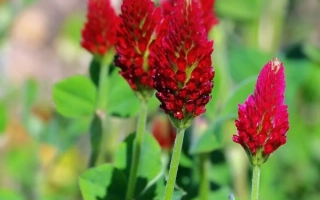
- Pollination Benefits: The 20–30 day flowering period, featuring shades from white to pink, serves as a high-value honey source, attracting pollinators and indirectly supporting surrounding ecosystem biodiversity.
Developed by the Kolomyia Agricultural Research Station (UAAS), 'Rozheva 27' is tailored to local Ukrainian climatic conditions. It requires no specialized, high-maintenance farming techniques, fitting seamlessly into standard crop rotation schedules. Field data confirms that the variety provides consistent yields and excellent return on investment per hectare, making it a reliable choice for any livestock-oriented farm operation.
Crop & resistance
Crop
Specifications
| Usage Type | |
|---|---|
| Vegetation Period | 70-100 |
| Plant Height | 30-60 |
| Root System Type | |
| Blooming Period | 20-30 |
| Flower Color | |
| Variety Characteristics | |
| Registration year | 1979 |
| Catalog | Catalog → Clover |
| Legal data |
Show · 1
|
| Country | Ukraine |
Not yet комментариев. Be the first!




See also
Often considered together with this variety



Recently viewed
Products you’ve viewed on this site
Reviews · 0