


SKU #67607
·
38 views
MARCHEZE
Cherry, Sour Cherry
User rating
0 votes0% positive reviews
No ratings yet — be the first.
Ripening Period
Early (second decade of June)
Fruit Color
Yellow, Dark Red
Fruit Size
Medium (4–6 g)
Flavor
Sweet
About product

Marcheze is a cherry variety with an early ripening period, intended for dessert consumption. The tree is medium-sized, reaching a height of 2.5-3 meters, has medium density and an upright form. Fruit formations are predominantly located on bouquet shoots. Leaves are large, wide, oval with a long-tapered apex, smooth and matte, without pubescence. Flowers are white, medium-sized, gathered in tripl…
Ripening Period
Early (second decade of June)
Fruit Color
Yellow, Dark Red
Fruit Size
Medium (4–6 g)
Flavor
Sweet
Description
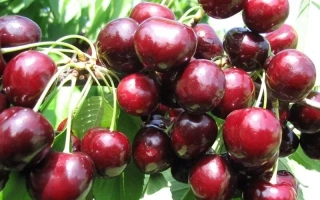
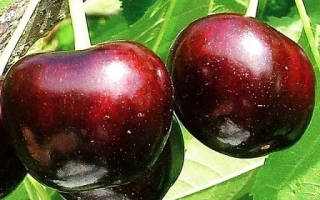
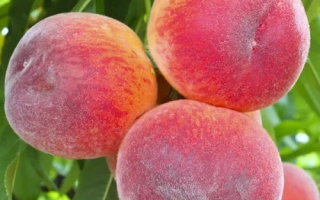
Marcheze is a cherry variety with an early ripening period, intended for dessert consumption. The tree is medium-sized, reaching a height of 2.5-3 meters, has medium density and an upright form. Fruit formations are predominantly located on bouquet shoots. Leaves are large, wide, oval with a long-tapered apex, smooth and matte, without pubescence. Flowers are white, medium-sized, gathered in triple inflorescences. The variety is self-sterile, requiring a pollinator with a matching flowering period; for successful fruiting, planting in a sunny place protected from wind, on fertile, loose, and well-drained soil is recommended. Marcheze fruits have a medium weight of about 7.3 grams, a kidney shape with a flat apex. The main fruit color is yellow, with a dark-red marble-like skin. The flesh is red, juicy and cartilaginous, with a single-color cavity, and the juice is light red. The skin is medium thickness, smooth and hairless, with no subcutaneous dots. The stone is of medium size, wide-elliptical, and easily separates from the flesh. The fruit taste is sweet, with a tasting score reaching 4.8 points. Sugar content in the fruits is about 11.9%, acidity is 0.67%. The variety is characterized by high winter hardiness, withstanding temperatures down to -35 degrees, which allows growing it in areas with harsh winters. Marcheze is resistant to fungal diseases, which reduces the need for frequent treatments and increases crop reliability. The first harvest can be obtained in the 4-5th year after planting. The average yield of the variety is about 92.6 centners per hectare. Fruits are well transported, making the variety attractive for commercial growing and sales.
Specifications hover over for a hint about the specification
|
Ripening Period
Ripening Period
It takes 70-100 days until pepper reaches flowering stage, 130-160 days until technical fruit ripeness, and 135-180 days until physiological ripeness. |
Early (second decade of June) |
|---|---|
| Fruit Color | |
| Fruit Size | Medium (4–6 g) |
| Flavor | |
| Sugar Content | Average (10–12%) |
| Flesh Firmness | |
| Core | |
| Disease Resistance | |
|
Yield
Yield
Overall bulb harvest per unit area. Depends on both onion variety characteristics and agronomic practices, fertilizers, and irrigation. Under optimal growing conditions, an onion yield of 100 tons per hectare and above is not considered record-breaking. |
Average (10–25 kg) |
| Tree Growth Power | |
| Assignment | |
| Features | |
| Registration year | 2022 |
| Catalog | Catalog → Cherry, Sour Cherry |
| Legal data |
Show · 1 |
| Country | Russia |
Store offers
Prices are updated on loadLoading offers…
Aggregator catalog: prices are collected automatically from store websites, normalized by AI and converted at the current exchange rate. Before ordering, confirm the price and availability on the store's website. This block is not indexed by search engines — the data is loaded after the page opens.
Not yet комментариев. Be the first!
Alternatives
Cherry saplings · similar varieties





See also
Often considered together with this variety


Recently viewed
Products you’ve viewed on this site
Reviews · 0