
Velarivirus
Velarivirus
Velarivirus is a genus of plant viruses within the Closteroviridae family. These viruses are characterized by flexuous, filamentous particles containing a positive-sense single-stranded RNA genome.
What the section contains
Velarivirus
The virus primarily colonizes the phloem tissue of the host plant, disrupting the transport of nutrients and sugars throughout the organism.
The genomic structure of velariviruses is highly specialized, allowing them to manipulate host machinery to facilitate their own replication and movement.
Transmission occurs horizontally through insect vectors, specifically mealybugs and soft scales, which acquire the virus while feeding on infected phloem sap.
Because they are systemic pathogens, they persist in the host for the entire life cycle, making complete eradication from an infected plant nearly impossible.
Symptoms of velarivirus infection are often subtle, varying significantly depending on the host cultivar and environmental conditions.
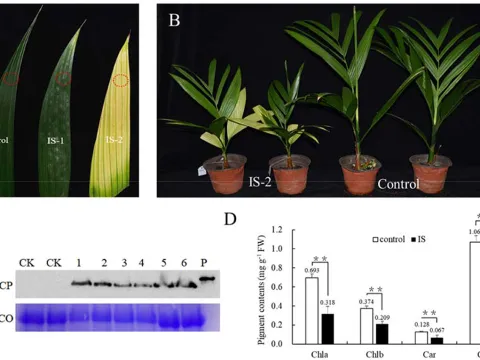
Common visible signs include interveinal chlorosis, mosaic patterns on leaves, and an overall reduction in vegetative growth vigor.
In grapevines, the infection can manifest as leaf curling, discoloration (reddening in dark-skinned varieties), and stunted shoot development.
Reproductive success is often impaired, resulting in reduced fruit set, smaller berries, and poor bunch development.
- Interveinal yellowing (chlorosis).
- Downward curling and distortion of leaf margins.
- Premature leaf fall or retarded development.
- Reduced crop yield and sugar content.
The spread of velarivirus is heavily dependent on the population density and migratory activity of its primary vectors, such as mealybugs.
Warm and temperate climates favor both the multiplication of the insect vectors and the systemic distribution of the virus within the plant tissue.
Poor nursery practices, where infected propagation material is used, remain the most significant factor in the rapid geographical spread of the disease.
Environmental stress, such as water deficit or nutrient imbalance, can accelerate the onset of severe disease symptoms in already infected hosts.
The lack of rigorous field sanitation allows the virus to persist in reservoirs or untreated plants, which serve as sources of infection for new plantings.
Velariviruses pose a severe threat to commercial viticulture and other specialty crops by directly impacting harvest quality and quantity.
The reduction in photosynthetic efficiency leads to depleted energy reserves in the plant, weakening it against other biotic and abiotic stressors.
Economic impact is exacerbated by the need for premature removal of diseased plants and the high cost of implementing long-term vector control programs.
Chronic infection results in uneven fruit ripening, which drastically lowers the market value and processing quality of the agricultural product.
The persistent nature of the virus makes it a long-term liability for orchards and vineyards, often necessitating entire block replacements.
The most effective strategy for managing velarivirus is the implementation of strict certification programs for propagation material.
Integrated Pest Management (IPM) is essential, focusing on the reduction of mealybug and scale insect populations through biological and chemical means.
Regular visual inspections and laboratory testing (such as ELISA or PCR) are critical to identifying and removing infected plants before the virus spreads.
Sanitary practices, including the sterilization of pruning tools, prevent the accidental spread of contaminated sap during routine cultivation.
Developing resistant or tolerant cultivars through breeding programs represents the most sustainable approach to long-term disease management.