
Velarivirus nanoavii
Velarivirus nanoavii
Description
Symptoms
The primary sign of the disease is a characteristic mosaic pattern on the leaf blade, manifested as alternating light and dark areas. As the infection progresses, pronounced leaf deformation and curling along the central vein are observed.
Significant stunted growth and developmental delay are noted in infected plants, leading to the formation of dwarf forms. In critical cases of infection, internodes shorten, creating an effect of excessive bushiness or a "rosette" appearance at the shoot apex.
Examination of the root system reveals weakened development of absorbing root hairs, which reduces the plant's ability to assimilate nutrients from the soil. Leaves may acquire a chlorotic hue, gradually turning into necrotic spots.
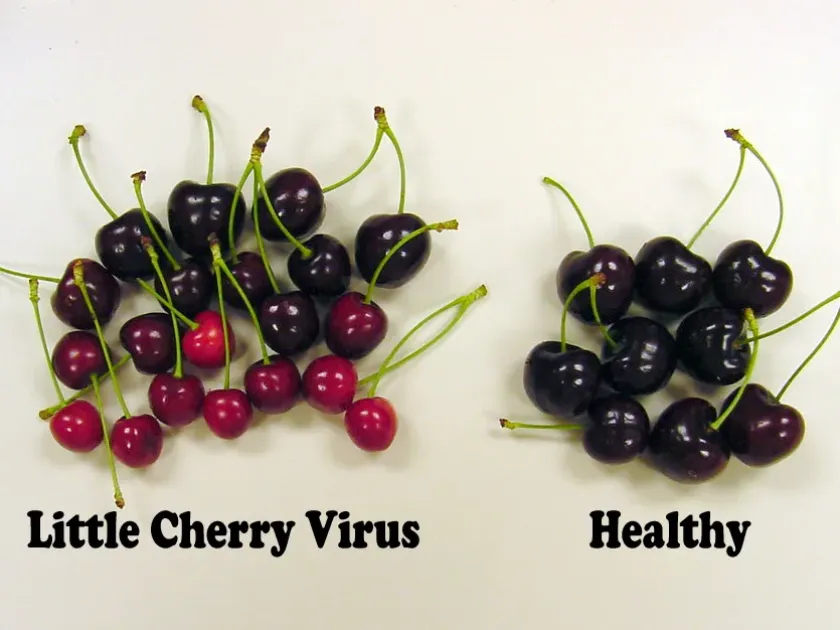
In the reproductive phase, floral and fruit abortion occurs, which negatively impacts yield. Fruits on affected specimens are often deformed, display uneven coloration, and have poor commercial quality.
- Vein yellowing of leaves (interveinal chlorosis).
- Downward curling of leaf blade edges.
- Loss of turgor and wilting during hot hours of the day.
- Early shedding of fruit sets.
Pathogen
Velarivirus nanoavii is a viral disease belonging to the genus Velarivirus within the family Closteroviridae. This phytopathogenic virus is characterized by filamentous virions and a complex mechanism of replication within host cells.
The pathogen is primarily localized in the phloem tissues of affected plants. The transmission of the infection in agricultural ecosystems occurs mainly through specific insect vectors, such as whiteflies or aphids, making the control of pest populations a key step in preventing infection.
The biological activity of the virus is closely linked to the physiological processes of the host plant, where it utilizes the plant translation system to synthesize viral proteins. The gradual accumulation of viral particles leads to the disruption of the transport of plastic substances from leaves to roots and fruits.
The genetic material consists of a positive-sense single-stranded RNA. Research into the genome structure of Velarivirus nanoavii confirms its classification within a group of viruses capable of causing systemic infection, affecting all organs of the growing plant.
The stability of the virus in the external environment is relatively low; however, it can persist in plant debris and perennial reservoirs. The infectious process is characterized by a long latent period during which external signs of the disease may be absent.
Conditions for development
The spread of Velarivirus nanoavii directly depends on climatic conditions that favor the activity of insect vectors. The virus is transmitted most intensely during periods with high air temperatures and moderate humidity, which promote the migration of vectors.
Agricultural fields with high crop density create a microclimate ideal for pest reproduction. Failure to follow crop rotation and the presence of weed reservoirs in close proximity to fields trigger disease outbreaks.
Lack of timely field treatment against sucking pests leads to rapid spread of infection across the entire site. In greenhouses, the risk of infection increases due to the absence of natural enemies of the vectors and stable temperature conditions.
Infection through tools during agricultural operations (pruning, cutting) occurs less frequently but should not be excluded. Maintaining occupational hygiene in nurseries is a critical factor in suppressing the infection background.
The impact of stress factors, such as drought or nutrient deficiencies, reduces the natural resistance of plants, making them more susceptible to viral penetration. Weakened plants accumulate a critical concentration of the pathogen much faster.
Why it matters
The main danger of Velarivirus nanoavii lies in the latent nature of the infection in the early stages. By the time obvious symptoms appear, the virus has already affected the systemic vessels of the plant, making recovery impossible.
The economic damage consists of a substantial reduction in quantitative yield indicators. The weight of the fruits and the quality of production drop to critical levels, leading to the rejection of most commercial products.
The virus causes a disruption in photosynthetic activity, which leads to the depletion of the plant's energy reserves. This makes the crop vulnerable to secondary fungal and bacterial infections that develop on weakened tissues.
In industrial horticulture and vegetable production, infection requires the removal and destruction of entire sections of plantations. This requires enormous costs for soil reclamation and the establishment of new plantations.
Long-term harm is associated with the accumulation of the viral pool in the environment, making it impossible to grow sensitive crop varieties for several seasons. Profits losses for agricultural enterprises in such cases can exceed 40-60%.
Protection
The main control method is a comprehensive protection strategy aimed at eliminating infection vectors. The use of systemic insecticides allows for a significant reduction in the population of aphids and whiteflies during the period of active flight.
The use of certified virus-free planting material is the foundation of prevention. When establishing new areas, it is necessary to test plants using PCR diagnostic methods for the presence of RNA viruses.
Agricultural practices include the regular removal of weeds that can act as hosts for the virus and pests. Spatial isolation of new crops from infected areas helps minimize the risks of vector movement.
Sanitary cleaning of tools and equipment when working with plants should be carried out using disinfectant solutions. Infected specimens must be immediately isolated and disposed of by deep burial or burning.
Stimulating plant immunity with micro-fertilizers and immunomodulators helps increase resistance to the pathogen. However, it should be noted that there are currently no specific curative drugs against Velarivirus nanoavii.
Discussion
No discussions yet — be the first.