
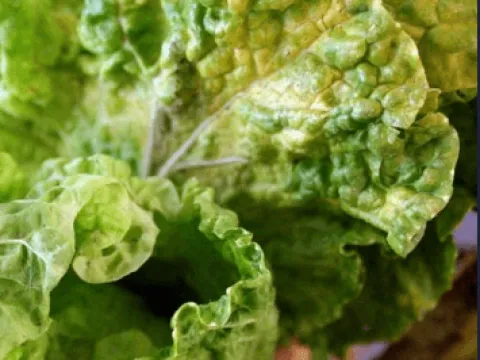
Turnip mosaic virus
Tymovirus brassicae
The Turnip mosaic virus (TuMV) is a significant plant pathogen belonging to the genus Potyvirus. It possesses filamentous virions and is known to cause systemic infections in a wide range of plant species.
What the section contains
Turnip mosaic virus
The virus is highly adaptable and can infect many agricultural and horticultural crops. Transmission is primarily facilitated by various species of aphids in a non-persistent, non-circulative manner.
Mechanical transmission is also possible through contact with contaminated tools or during field operations. While seed transmission can occur, it is generally considered a minor pathway compared to insect vectors.
The virus persists in overwintering weeds within the Brassicaceae family. These reservoirs provide a continuous source of inoculum for newly planted crops during the growing season.
Its wide host range includes economically important crops such as canola, cabbage, turnip, and horseradish, as well as several ornamental plants and common field weeds.
The most common symptoms include a mosaic pattern on leaves, characterized by alternating patches of light and dark green tissues. Vein banding or vein chlorosis is also frequently observed.
Affected plants often show severe leaf deformation, including curling, crinkling, or even filiform (thread-like) leaf development. These symptoms reflect significant physiological disturbances.
Stunting is a hallmark symptom of TuMV infection. Plants exhibit reduced growth rates compared to healthy neighbors, which often results in uneven crop stands and poor field uniformity.
In head-forming vegetables, such as cabbage, the virus causes the formation of loose or stunted heads. Necrotic spotting or streaks may appear on leaves, severely impacting the harvest quality.
- Mosaic leaf patterning
- Leaf distortion and curling
- General plant stunting
- Necrotic spots and vein chlorosis
- Reduced head size and quality
The spread of the virus is strictly dependent on the presence and activity of aphid vectors. Warm and humid conditions that favor aphid population growth significantly increase the rate of virus spread.
The proximity of weed reservoirs is the most critical environmental factor. Weeds like shepherd's purse can harbor the virus through the winter, allowing early-season transmission.
Intensive cropping systems that maintain susceptible hosts throughout the year create a "green bridge" for the virus, promoting its continuous cycle of infection.
High-density planting configurations can facilitate rapid movement of aphids between plants, leading to faster field-wide distribution of the pathogen.
Environmental stress can exacerbate the appearance of symptoms, making it harder for the plant to recover and increasing the overall susceptibility of the crop to secondary pathogens.
The economic impact of TuMV is significant due to reduced yield quantity and quality. Produce displaying mosaic symptoms or malformation is often rejected by markets.
In oilseed crops like canola, the virus significantly reduces seed yield and oil content, directly impacting the profitability of agricultural operations.
Plants weakened by the virus become more susceptible to secondary fungal and bacterial diseases, which can lead to rapid rot and further harvest losses in the field or during storage.
Early-stage infection can lead to total crop failure. The cumulative loss resulting from poor development and quality degradation makes TuMV a high-priority concern for farmers.
Metabolic disruption within the host plant limits its ability to utilize soil nutrients, which increases the necessity for additional inputs that fail to produce the desired returns.
Effective management begins with strict weed control, focusing on eliminating wild Brassicaceae species that serve as primary reservoirs for the virus.
Spatial isolation between new crops and old, infested fields helps to delay the arrival of aphid vectors and reduces the initial infection pressure.
Targeted insecticide applications can help reduce aphid populations, although this must be timed precisely to interrupt the transmission cycle during peak migration periods.
Utilizing resistant or tolerant cultivars is the most sustainable approach to manage TuMV. Breeders continue to develop new varieties with improved resistance to potyviruses.
Good agricultural practices, including the use of virus-free seeds and sanitization of field tools, are essential to minimize mechanical transmission during routine crop management.