
Tymoviruses
Tymoviridae
Tymoviruses belong to the family Tymoviridae and are classified as single-stranded RNA viruses. These pathogens are known for their icosahedral capsid structure and their ability to cause systemic infections in various plants.
What the section contains
Tymoviruses
The disease cycle begins when the virus enters the plant cells, often through mechanical injury or vector activity. Once inside, the viral RNA is released into the cytoplasm to initiate the replication process, which severely disrupts cellular functions.
A notable biological characteristic of these viruses is the formation of specific vesicles within the chloroplasts of the host plant. This process directly interferes with the plant's ability to produce energy through photosynthesis.
Transmission occurs primarily through the feeding activities of insect vectors, particularly beetles. Additionally, the virus can be spread by contaminated tools used during agricultural operations like pruning or weeding.
The virus particles are relatively stable in the environment, which allows them to persist on surfaces or in plant debris. This persistence makes containment and sanitation critical steps in managing the disease.
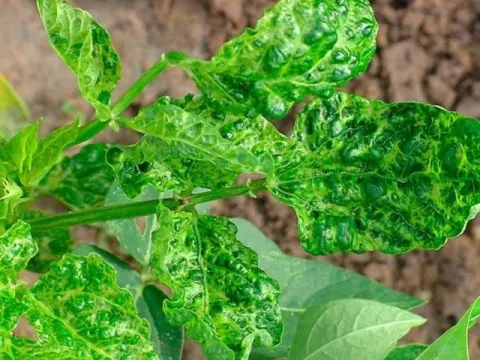
The most distinctive symptom of a Tymovirus infection is the mosaic pattern on the foliage. This manifests as light green, yellow, or mottled patches that contrast sharply with the normal green color of the leaves.
Severe infections can lead to leaf deformation, including curling, crinkling, or a reduction in overall leaf size. Such physical changes hinder the plant's ability to capture sunlight and grow effectively.
Stunting of the entire plant is commonly observed, as the systemic infection draws nutrients away from healthy tissues. Infected plants often appear much smaller and weaker compared to their healthy counterparts in the same field.
Flowers and fruits are also affected by the disease. Bud abortion, flower deformation, and poor fruit development are frequent occurrences, significantly reducing the yield potential of the crop.
Necrotic lesions may appear on stems, petioles, or leaves in late stages of the disease. These dark spots indicate that the viral infection has caused significant cell death and tissue breakdown.
The development of Tymoviruses is strongly linked to favorable environmental conditions, with temperatures between 20 and 25 degrees Celsius being ideal for rapid viral replication.
The presence of insect vectors is the most critical factor in the rapid spread of the virus across a crop. Warm and humid conditions favor the breeding and activity of these insects, increasing the likelihood of transmission.
Agricultural practices play a major role in the spread of the pathogen. Failure to sanitize tools between different plots allows the virus to move quickly through an entire agricultural facility.
Weed management is essential, as many common weeds serve as reservoir hosts for the virus throughout the year. When these weeds are present, they provide a constant source of infection for emerging crops.
Plant stress, caused by poor nutrient availability or drought, makes crops more susceptible to the infection. Strong, healthy plants are generally better equipped to tolerate the initial stages of viral exposure.
Tymoviruses cause significant economic losses by reducing both the quality and quantity of the harvest. Crops infected by these viruses are often rejected by markets due to their poor appearance and reduced shelf life.
The systemic nature of the infection means that the entire plant is compromised, leading to long-term decline and reduced yield. This forces farmers to invest more in management and replacement strategies.
Viral infection leaves the plant vulnerable to secondary attacks by fungi and bacteria. These opportunistic pathogens take advantage of the plant's weakened state, leading to further destruction of the crop.
Managing a Tymovirus outbreak requires substantial investment in labor and pest control measures. These costs increase the overall production expenses and decrease the profit margins for growers.
In cases where the virus survives in the soil or local weeds, the land may become unsuitable for sensitive varieties for several growing seasons, disrupting long-term crop rotation plans.
Preventative measures are the most effective way to manage Tymoviruses. This includes using certified, virus-free seeds and planting resistant or tolerant crop varieties whenever possible.
Sanitation is a cornerstone of control. Regularly disinfecting tools, equipment, and clothing prevents the mechanical transmission of the virus between plants during routine maintenance.
Integrated Pest Management (IPM) is necessary to keep insect vector populations below the economic threshold. Using appropriate insecticides and biological controls significantly limits the potential for spreading the disease.
Promptly identifying and removing infected plants from the field is crucial. Destroying these plants prevents them from becoming a source of inoculum for the rest of the crop.
Maintaining a weed-free environment and establishing buffer zones can help insulate crops from surrounding sources of infection. Good agronomic practices are the best defense against these persistent viral pathogens.