
Trichovirus
Trichovirus
The genus Trichovirus consists of plant-pathogenic viruses with filamentous particles, containing a single-stranded positive-sense RNA genome. A primary member of this genus is the Apple chlorotic leaf spot virus (ACLSV).
What the section contains
Trichovirus
This is a systemic viral disease that affects various fruit-bearing crops. The pathogen acts as an obligate parasite, utilizing the host’s cellular machinery for its own replication while spreading throughout the plant’s vascular system.
Viral particles move through the phloem, eventually invading all plant organs, including roots, shoots, and reproductive buds. This systemic nature makes the infection difficult to manage once established in perennial crops.
These viruses are characterized by high stability within plant tissues. They often exist in a latent state for years, showing no external symptoms while still depleting the host plant's metabolic resources.
Genetic diversity within the genus allows these viruses to adapt to different hosts, leading to various strains that can exhibit different levels of virulence across distinct cultivars.
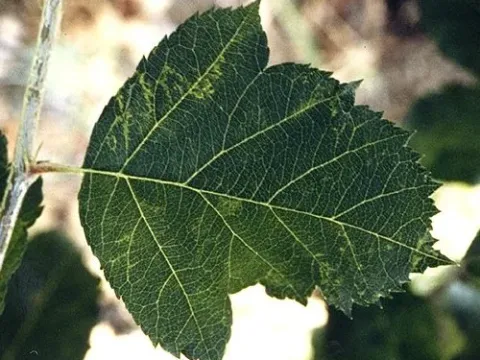
Symptoms of Trichovirus infection are highly variable, often manifesting as chlorotic spots, mosaic patterns, or ring-like lesions on leaves. Deformed, curled, or wrinkled leaf blades are also common indicators of infection.
In certain fruit trees, internal symptoms such as "wood pitting" may occur, where the bark develops depressions and necrotic patches. This significantly impairs the tree's ability to transport water and essential nutrients.
Overall plant growth is severely hindered, characterized by stunted development, shortened internodes, and smaller-than-average fruits. Affected plants show decreased vigor and resilience against environmental stress.
During active growth seasons, symptoms can become quite prominent; however, in drier or less favorable years, symptoms may become masked, complicating visual diagnosis in the field.
Advanced stages of the disease lead to premature leaf and fruit drop, reduced crop yields, and degraded quality of produce, making fruits unsuitable for commercial markets.
The primary route of spread is through the use of infected grafting material. If a scion or rootstock is taken from a diseased mother plant, the resulting tree will carry the virus for its entire lifespan.
Transmission through contaminated gardening tools—such as pruning shears or grafting knives—is a critical factor. Micro-wounds on healthy plants serve as entry points for the virus when tools are not properly sanitized.
While insect-mediated transmission is less prevalent for Trichoviruses compared to other groups, certain vectors may still contribute to local spread within dense orchards.
Mechanical damage from hail, wind, or improper handling provides opportunities for the virus to move from infected tissues to healthy ones through contact or sap contamination.
Cultural practices that promote rapid growth may temporarily mask the symptoms, but the viral load continues to accumulate, posing an increasing risk to the entire plantation over time.
The economic impact of Trichovirus is significant, as it leads to reduced profitability and the long-term decline of orchards. Chronic infection drains the plant's energy, often resulting in premature plant death.
Diminished crop quality is a major concern. Fruits become smaller, suffer from poor color development, and show poor storage life, all of which directly affect marketability and farmer income.
The virus compromises the plant's cold hardiness. Infected trees are more susceptible to winter frost damage, which can lead to the loss of scaffold branches or the entire tree during harsh winters.
Financial losses also stem from the necessity of clearing out and destroying infected orchards, as well as the long-term quarantine restrictions on replanting the same species on affected land.
Widespread occurrence in nurseries can lead to the rejection of entire batches of seedlings, creating shortages of high-quality, disease-free planting material for the industry.
The use of certified, virus-free planting material is the most effective management strategy. Seedlings should undergo laboratory testing to confirm their health status before planting.
Strict hygiene protocols for tools are mandatory. Disinfecting blades after every tree during pruning or grafting is essential to prevent the mechanical transmission of the virus.
Regular monitoring of the orchard, including laboratory diagnostics (ELISA or PCR) for suspicious plants, allows for the early detection and removal of infected reservoirs.
Infected plants should be promptly removed and destroyed, including the root system, to prevent the pathogen from spreading to neighboring healthy trees in the orchard.
Enhancing natural plant immunity through balanced fertilization, proper irrigation, and effective pest control helps the trees withstand viral pressure and prolongs the productive lifespan of the plantation.