
Topocuvirus
Topocuvirus
Topocuvirus is a genus of plant-infecting viruses within the Geminiviridae family. These viruses are characterized by a circular single-stranded DNA genome and a unique virion structure, consisting of two incomplete icosahedral capsids joined together.
What the section contains
Topocuvirus
The type species of this genus is the Papaya leaf curl virus. Unlike other geminiviruses that have a broad host range, topocuviruses are known for having a relatively restricted host range, primarily infecting specific dicotyledonous crops.
The virus resides and replicates within the phloem tissues of the host plant. Once infected, the virus utilizes the plant's vascular system to spread throughout the organism, causing systemic physiological changes.
Transmission occurs primarily through insect vectors, specifically certain species of leafhoppers (Cicadellidae). The virus is acquired by the insect during feeding and is subsequently transmitted to healthy plants during the colonization process.
The biology of topocuviruses is shaped by their high specificity to their vectors. This interdependence makes the management of insect populations a critical factor in preventing the spread of these viral infections in agricultural settings.
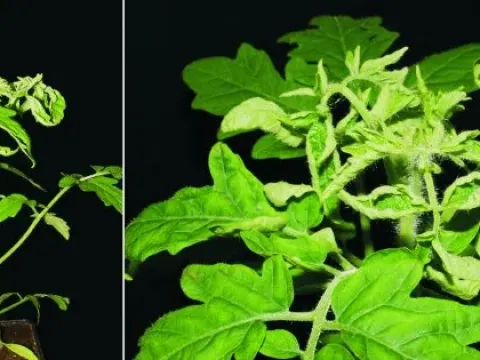
Infection with topocuvirus typically manifests as leaf curling, puckering, and crinkling. The foliage often displays distinct chlorosis, which can progress to mosaic-like patterns depending on the severity of the infection.
Plants infected at an early growth stage exhibit severe stunting and reduced internode length. This often leads to a bushy, rosette-like appearance, where the plant stops developing normally and fails to reach its potential size.
The leaf veins may show clearing or swelling, a common characteristic of geminivirus infections. Over time, the leaves become leathery, brittle, and may eventually drop off if the plant is severely weakened.
The impact on reproductive organs is significant, with flowers often failing to develop or being shed prematurely. If fruits do form, they are typically deformed, small, and of poor quality, rendering them unsuitable for market.
The systemic nature of the disease ensures that symptoms appear initially in the youngest, most rapidly growing tissues, gradually spreading throughout the entire plant canopy over a period of weeks.
The economic impact of topocuvirus is severe, as it directly reduces crop yield and marketable produce quality. In susceptible cultivars, an infection can lead to nearly total crop failure in heavily infested fields.
The reduction in photosynthetic area and metabolic disruption caused by the virus weakens the host plant, making it significantly more susceptible to opportunistic fungal and bacterial secondary infections.
The need for intensive management strategies, such as frequent insecticide applications to suppress vector populations, significantly increases production costs and may have environmental implications.
In regions where topocuvirus is endemic, the necessity to abandon standard cultivation practices in favor of more rigorous phytosanitary measures limits the choice of varieties and increases the complexity of farm management.
Ultimately, topocuvirus threatens food security in areas where it affects staple crops, necessitating ongoing research into resistant germplasm to maintain viable agricultural production.
Effective management of topocuvirus relies heavily on controlling the insect vectors. The application of systemic insecticides at the earliest stages of crop growth is essential to minimize virus transmission rates.
The use of certified virus-free planting material is the most important preventive measure. Growers should ensure that seeds and seedlings are sourced from reputable suppliers that employ stringent diagnostic screening.
Cultural practices, such as removing weed reservoirs that harbor both the virus and its insect vectors, are crucial. Maintaining a weed-free field perimeter helps to disrupt the virus cycle before it enters the crop.
Early detection is vital; therefore, fields should be monitored regularly for the presence of leafhoppers and the appearance of initial symptoms. Infected plants should be promptly rogued and destroyed to prevent secondary spread.
Developing and deploying resistant crop varieties remains the long-term solution for managing topocuvirus. Breeding programs continue to focus on incorporating natural resistance genes to mitigate the impact of this devastating pathogen.