
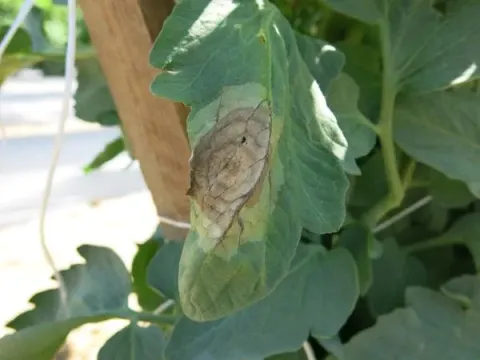
Tomato chocolate spot
Tomato chocolàte
Tomato chocolate spot is a condition often associated with bacterial or fungal agents such as Pseudomonas syringae or Alternaria species that thrive under specific environmental conditions.
What the section contains
Tomato chocolate spot
The pathogen usually targets plants that are under stress, particularly those subjected to poor airflow, excessive humidity, or nutrient imbalances which compromise their natural defenses.
It typically gains entry through natural pores called stomata or through microscopic injuries on the surface of the fruit and foliage caused by handling or pest damage.
Biologically, the pathogen can persist in soil organic matter for extended periods, serving as a primary source of inoculum for the next crop cycle.
The rapid spread of the disease is facilitated by the pathogen's ability to produce spores or bacterial clusters that travel easily through water splashes and air currents within greenhouses.
The primary symptom is the appearance of distinct, dark brown to chocolate-colored spots on the surface of ripening fruits, often accompanied by sunken margins.
Foliage symptoms include irregular dark brown or black spots, frequently surrounded by a yellow halo, which eventually leads to leaf desiccation and premature defoliation.
As the infection progresses, the lesions on the fruit may expand and coalesce, leading to severe decay and total loss of the fruit's marketability.
Under humid conditions, signs of sporulation or bacterial exudate may become visible on the surface of the lesions, further confirming the presence of the pathogen.
- Dark, sunken spots on tomato skin.
- Yellowing of lower leaves (chlorosis).
- Brown necrotic streaks on stems.
High relative humidity levels, often above 80%, are the most critical factor promoting the development and spread of chocolate spot symptoms on tomatoes.
Significant diurnal temperature fluctuations lead to condensation on plant surfaces, providing the necessary moisture film for pathogen germination and growth.
Poor ventilation within enclosed structures prevents the rapid drying of foliage, which allows the disease to propagate unchecked among neighboring plants.
Nutritional stress, particularly a deficiency in calcium or potassium, weakens the cellular structure, making the plant more susceptible to tissue-degrading enzymes secreted by pathogens.
Crowded planting schemes reduce airflow and increase the density of susceptible tissue, creating an ideal microclimate for the rapid expansion of the disease outbreak.
The most immediate impact of the disease is the substantial economic loss due to the damage of fruit skin, which makes them unsaleable for fresh market consumption.
Infected fruits are highly susceptible to secondary pathogens, leading to rapid softening and rotting, which can ruin entire storage crates if not properly culled.
The disease reduces the plant's overall photosynthetic efficiency, which translates into stunted vegetative growth and a significant reduction in total fruit yield.
Severe outbreaks can result in widespread defoliation, leaving fruits exposed to sunburn and further physiological degradation, which decreases final harvest quality.
The continuous cycle of infection requires recurring expenditures on chemical or biological control agents, increasing the overall cost of production for the season.
Implementing strict sanitation practices, including the removal and destruction of crop residues, is the first line of defense to prevent the survival of the pathogen.
Maintaining proper greenhouse management, such as consistent ventilation and the use of fans to keep humidity levels within optimal ranges, is highly effective.
Optimizing plant nutrition with balanced fertilizers ensures that plants maintain robust cell walls and adequate immune response against common pathogens.
The use of disease-resistant or tolerant cultivars remains the most sustainable approach to minimizing the risk of chocolate spot in commercial tomato production.
Regular monitoring and the application of integrated pest management (IPM) techniques, including preventative fungicide use, help to keep the disease pressure low throughout the growth cycle.