
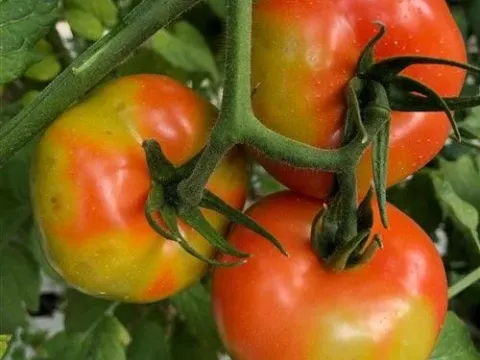
Tomato fruit blotch tobamovirus
Tobamovirus maculafructi
Tomato fruit blotch tobamovirus (Tobamovirus maculafructi) is a plant-pathogenic virus belonging to the Tobamovirus genus. It primarily affects Solanaceous crops, with tomatoes being the most economically significant host.
What the section contains
Tomato fruit blotch tobamovirus
The virus is characterized by extreme environmental stability. It can persist for several years in soil, plant debris, and on surfaces such as tools, clothing, and greenhouse structures.
Transmission occurs primarily through mechanical contact. Any interaction between an infected plant and healthy tissue—often occurring during routine pruning or harvesting—can spread the virus.
Unlike some other plant viruses, it is not transmitted by insect vectors like aphids or whiteflies. This places the burden of containment entirely on strict sanitation and hygiene protocols.
Detection is typically confirmed through laboratory methods such as ELISA (Enzyme-Linked Immunosorbent Assay) or RT-PCR, which are essential for distinguishing this virus from other pathogenic or physiological disorders.
The most distinctive symptom is the appearance of blotches on the surface of the fruit. These spots often start as pale, discolored areas and progress to necrotic lesions as the fruit matures.
Leaves may exhibit classic mosaic patterns, showing alternating light and dark green areas. In severe cases, leaf curling and deformation occur, which reduces the plant's photosynthetic capacity.
When the fruit is cut open, the internal tissue often appears brown and woody, rendering the tomato completely unmarketable due to its poor texture and appearance.
Overall plant growth is significantly stunted. Infected plants typically show shortened internodes and a reduced capacity for setting fruit, which leads to substantial yield declines.
- Necrotic spots on fruit skin.
- Mosaic patterning on leaves.
- Internal tissue hardening and browning.
- Deformed fruit structure.
- General chlorosis and stunted growth.
Warm temperatures in greenhouses significantly accelerate the viral replication process, leading to more severe symptom expression within a shorter timeframe.
High plant density encourages the spread of the virus. When foliage of neighboring plants touches, the probability of mechanical transmission during daily management increases dramatically.
The reuse of contaminated growing media without proper sterilization is a primary driver for the persistence and recurrence of the disease in indoor production facilities.
Poor sanitation of tools used for cultural practices, such as pruning knives or trellising equipment, creates a direct pathway for the virus to move throughout the greenhouse.
In outdoor production, the virus can persist in the soil or in infected weed hosts, which can serve as an inoculum source for new plantings each season.
The primary economic impact is the loss of commercial quality. Fruit displaying blotchy or necrotic symptoms cannot be sold, resulting in direct financial losses for the grower.
Yield reduction is significant because the virus systemically affects the plant's metabolic processes, reducing the number of fruit produced and decreasing the average fruit size.
The persistence of the virus in soil necessitates expensive and labor-intensive measures, such as soil replacement or steam sterilization, to reclaim the growing space.
Managing the disease requires ongoing costs for diagnostics and strict hygiene, which increases the overall cost of production while simultaneously reducing crop margins.
The systemic weakness caused by the virus makes the plants more susceptible to secondary infections by other fungi and bacteria, further complicating disease management.
Strict phytosanitary practices are the most effective method for control. This includes using certified, virus-free seeds and ensuring all transplants are sourced from reputable, disease-free nurseries.
Tools should be sanitized regularly during work. Disinfecting knives and gloves with appropriate solutions after handling each plant is essential to prevent horizontal transmission.
Removal and immediate destruction of symptomatic plants are necessary to reduce the inoculum load within the greenhouse or field environment.
The adoption of resistant tomato hybrids is the most sustainable long-term solution. Breeding programs have introduced genetic resistance to various tobamoviruses, which is a critical management tool.
Implementing a strict hygiene protocol for personnel, including the use of dedicated clean clothing and boots, prevents the introduction of the virus from external environments.