
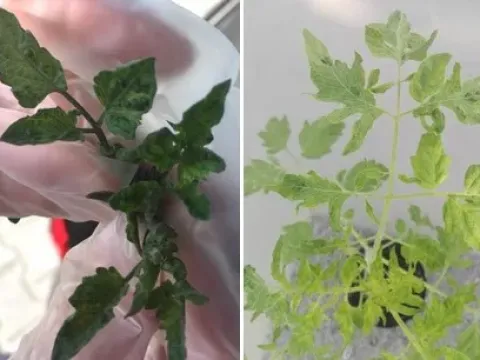
Obuda pepper virus
Tobamovirus obudae
The causative agent of the disease is Tobamovirus obudae, a member of the Tobamovirus genus. This pathogen is characterized by its remarkable stability in the environment and resistance to various physical and chemical stressors.
What the section contains
Obuda pepper virus
The virus particles are rigid rods that can persist in plant debris, soil, and on farming equipment for several years, ensuring long-term survival in the absence of a host.
Tobamovirus obudae does not rely on biological vectors like insects; instead, it spreads primarily through mechanical transmission, making hygiene a critical factor.
The single-stranded RNA genome facilitates rapid replication within host cells, leading to high titers of the virus throughout the plant's vascular system.
Biological studies confirm that this virus is highly infectious and can colonize various species within the Solanaceae family, showing varied pathogenicity depending on the cultivar.
Early symptoms appear as a faint mottle on the youngest leaves, which soon develops into a classic mosaic pattern of alternating light and dark green patches.
As the infection progresses, leaves exhibit significant deformation, becoming wrinkled, curled, or even filiform (thread-like) in severe cases.
Stunting is a hallmark of this disease; internodes become shortened, and the overall plant height is significantly reduced compared to healthy counterparts.
Fruits show clear signs of distress, including irregular ripening, blotchy discoloration, and surface necrosis, rendering them unsuitable for the fresh market.
- Leaf mottling and mosaic patterns
- Distorted and misshapen foliage
- Stunted growth and short internodes
- Necrotic spots and internal browning of fruits
- Reduced yield and poor fruit quality
The virus thrives in environments where plants are kept in close proximity, facilitating easy mechanical contact during daily operations.
Warm temperatures, particularly between 22°C and 28°C, accelerate the viral replication cycle, leading to the rapid appearance of symptoms.
Agricultural practices such as pruning, harvesting, and tying are the primary routes for transmission, as the virus is easily transferred via contaminated tools and hands.
Poor soil management and the failure to remove infected residues from previous cycles create an ongoing reservoir of the virus in the field or greenhouse.
High humidity can indirectly promote the spread by allowing condensation to accumulate on leaves, which acts as a medium for viral movement if foliage is handled while wet.
The primary economic impact is a drastic reduction in marketable yield, as infected plants exhibit low fruit sets and poor growth vigor.
Fruit quality is severely compromised, with aesthetic defects and flavor changes making the produce unacceptable for sale to retailers or consumers.
Infection induces a systemic stress response in the plant, making it significantly more susceptible to secondary pathogens such as bacteria and fungi.
In greenhouses, an outbreak can lead to complete crop failure if not managed strictly at the onset of the first visible symptoms.
The persistence of the virus in the soil means that long-term land use is restricted, necessitating expensive decontamination protocols or shifts to soilless culture.
Prevention is the only viable strategy, beginning with the use of certified, virus-free seeds and seedlings to ensure a clean start for the crop.
Implementing strict sanitation protocols is essential: all tools must be disinfected with bleach or specialized disinfectants between every row or plant block.
Early detection and immediate roguing (removal) of symptomatic plants, including their root systems, are vital to preventing the spread to healthy neighboring plants.
Crop rotation remains a fundamental practice; planting non-host crops in affected areas can help reduce the viral load in the soil over time.
Workers should be trained to follow specific hygiene procedures, such as frequent hand washing and changing clothing, to minimize human-mediated spread within the facility.