
Teseptimavirus
Teseptimavirus
Teseptimavirus is a genus of viruses within the Betaflexiviridae family. It serves as a significant pathogen affecting a variety of horticultural and agricultural crops worldwide.
What the section contains
Teseptimavirus
The virus particles have a filamentous morphology and consist of single-stranded RNA. Being a systemic infection, the virus spreads through the vascular system, impacting the plant's physiological functions.
Transmission primarily occurs via infected vegetative propagation material, contaminated pruning equipment, or through insect vectors such as aphids and thrips that feed on plant sap.
Inside the host cell, the virus interferes with protein synthesis and metabolic regulation, causing systemic stress that leads to stunted growth and reduced vitality.
Due to high genetic variability and rapid mutation rates, managing Teseptimavirus requires a multi-faceted approach as resistant cultivars are often difficult to develop and maintain.
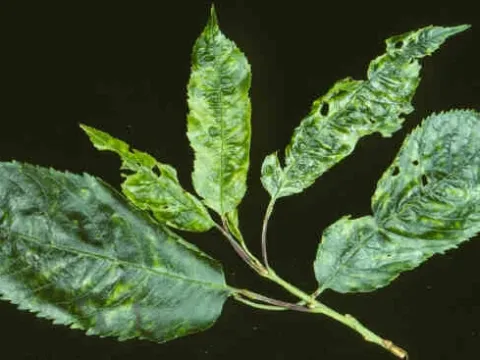
Visible symptoms often include chlorotic spotting, mosaic patterns on leaves, and sometimes longitudinal streaks along the veins, which are indicative of viral interference.
Deformation of leaf blades is frequently observed, where leaves may become wrinkled, curled, or stunted in size compared to healthy specimens.
Reproductive organs often show significant impact, resulting in bud abscission, poor fruit set, and irregular or discolored fruit surfaces.
- Yellowing or mosaic leaf patterns.
- Stunted shoot growth and shortened internodes.
- Deformed fruits with reduced market value.
The severity of these signs can fluctuate depending on the plant variety, the timing of infection, and the environmental stress factors present at the time.
Environmental conditions such as warm temperatures and high humidity significantly favor the activity of insect vectors, facilitating the spread of the virus.
Human activity plays a critical role; poor sanitation in greenhouses or during field management (e.g., pruning) can lead to rapid mechanical transmission of the pathogen.
Using infected seeds or cuttings is the most common way for the virus to establish itself in a new area, making the source of plant material the primary risk factor.
Secondary host plants, including common weeds and wild vegetation, can act as reservoirs for the virus, maintaining the infection cycle between cropping seasons.
Abiotic stress, including nutrient deficiencies and water imbalance, often accelerates symptom manifestation by lowering the plant's natural immune resistance.
Teseptimavirus causes severe yield reduction, often rendering the harvested produce unmarketable due to cosmetic defects and poor physiological quality.
The metabolic cost of the infection reduces overall biomass accumulation, leading to smaller, lower-quality fruits and a shorter production lifespan for affected crops.
For perennial crops, systemic infection leads to a slow decline of the plantation, necessitating premature replacement and resulting in significant economic losses for growers.
The virus compromises the plant's ability to resist secondary infections by fungi and bacteria, which often colonize the weakened tissue, complicating the clinical picture.
Given the impossibility of curing an already infected plant, the economic harm is compounded by the loss of the plants themselves, requiring total removal and disposal.
The most effective strategy is the use of certified virus-free planting stock, which ensures the absence of the pathogen from the very beginning of the season.
Integrated Pest Management (IPM) is essential to control insect vectors, using targeted insecticides or biological controls to reduce the frequency of virus transmission.
Rigorous sanitation protocols, such as disinfecting all tools with appropriate chemical agents between plants, are vital to preventing mechanical spread in greenhouse settings.
Regular monitoring of fields for symptomatic plants and their prompt roguing (removal and destruction) is necessary to isolate and limit the spread of local outbreaks.
Strategic spatial isolation and the removal of weeds around cultivation areas help break the cycle of infection and protect sensitive crops from external viral reservoirs.