
Rice stripe virus
Mastrevirus oryzaprimi
Description
Symptoms
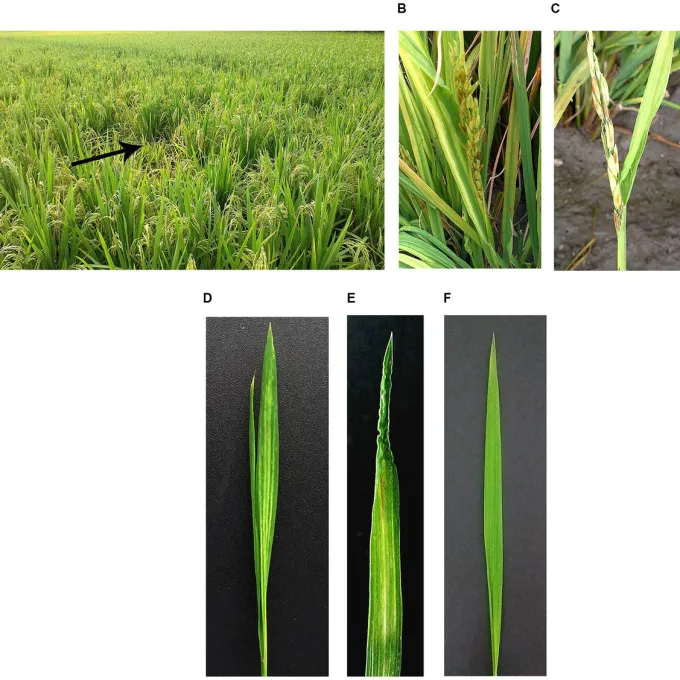
The most prominent symptom is the development of distinct chlorotic stripes running parallel to the leaf veins. These stripes are typically observed on younger leaves as the plant grows.
Infected plants exhibit severe stunting and reduced vigor. The overall tillering process is hindered, resulting in sparse, poorly developed plant stands in the paddy field.
As the infection progresses, leaves may turn yellow, brittle, and exhibit premature necrosis. Leaf tips frequently curl or die back, signaling a significant collapse in physiological health.
Reproductive development is profoundly impacted. Panicles are often malformed, fail to emerge properly from the leaf sheath, or produce empty, unviable grains.
Visual identification can be complex, as symptoms may mimic nutrient deficiencies. Confirmation often requires diagnostic assays, such as ELISA or PCR, to detect the presence of the virus.
Pathogen
The causative agent of the disease is the Mastrevirus oryzaprimi, a virus belonging to the Mastrevirus genus within the Geminiviridae family. It is a virus characterized by a single-stranded circular DNA genome.
The disease is a systemic viral infection that invades the plant's phloem. Once infected, the virus hijacks the plant's cellular machinery to replicate, spreading rapidly through the vascular system.
Wild grasses act as primary reservoirs for the virus. These plants host the pathogen during off-seasons, ensuring its survival until the next planting cycle of the rice crop.
Insect vectors, primarily leafhoppers, are responsible for transmitting the virus. When these insects feed on an infected plant, they acquire the virus and transmit it to healthy plants during subsequent feeding sessions.
The viral life cycle is inextricably linked to the population dynamics of its insect vectors. Monitoring these insects is crucial for predicting potential disease outbreaks in the field.
Conditions for development
High ambient temperatures favor the disease, as they accelerate both the lifecycle of the insect vector and the replication rate of the virus within the host plant.
Poor field hygiene, including the presence of grassy weeds in and around the rice fields, provides a continuous source of infection for new rice seedlings.
Water management plays a role in plant susceptibility. Inconsistent irrigation or periods of drought stress weaken the plant, making it easier for the virus to establish itself.
High plant density creates a conducive microclimate for leafhoppers. Close spacing facilitates the movement of insects from plant to plant, which increases the overall infection rate.
Timing of the planting season is critical. If crops are planted during peak migration periods of the vectors, the incidence of the virus is statistically much higher.
Why it matters
The economic impact of the rice stripe virus is significant, as it can cause yield losses of up to 50% or more depending on the timing and severity of the infection.
Reduced photosynthesis leads to stunted grain filling, resulting in light, shriveled seeds that have poor germination rates and reduced nutritional value for consumers.
The loss of panicle fertility and overall plant health leads to reduced harvest quality, often necessitating rejection or downgrading of the produced grain lots.
Infected plants show decreased resilience against other biotic and abiotic stresses, including secondary fungal infections that further damage the crop stand.
The cumulative effect of the disease increases production costs through the need for constant monitoring, vector control, and potential crop losses that threaten the profitability of farming.
Protection
The primary control method involves the strategic use of insecticides to manage populations of the insect vectors, particularly during the early stages of plant development.
Eliminating weed reservoirs around paddy fields is essential for preventing the introduction of the virus into the crop from the surrounding environment.
Utilizing resistant rice varieties is the most sustainable strategy for long-term management. Breeding programs continue to focus on incorporating resistance genes against local viral strains.
Providing balanced fertilization, particularly nitrogen management, ensures that plants remain robust and better equipped to withstand environmental stress and secondary infections.
- Deploy yellow sticky traps for monitoring leafhopper populations throughout the growing season.
- Maintain adequate spatial isolation between current and newly planted fields to limit spread.
- Rogue out and destroy any symptomatic plants observed during early inspection rounds.
Discussion
No discussions yet — be the first.