
Shotokuvirae
Shotokuvirae
Shotokuvirae is a large kingdom of viruses that includes a wide range of pathogens affecting various plant species. This taxon consists of viruses characterized by a linear single-stranded RNA genome, which dictates the mechanism of their replication within host cells.
What the section contains
Shotokuvirae
The scientific classification assigns these viruses to a category of organisms that primarily utilize horizontal transmission through insect vectors. The pathogenesis involves a complex interaction between viral proteins and specific plant cell receptors.
The taxonomy of these viruses is continuously refined through phylogenetic analysis. It is crucial to recognize that members of this realm are the primary drivers of many economically significant diseases affecting vegetable and grain crops.
Viral particles often exhibit rod-shaped or filamentous morphology, facilitating their entry through damaged plant epidermal tissues. Replication occurs within the cytoplasm, effectively suppressing the host's normal metabolic processes.
Studying the members of this kingdom is a priority for modern phytovirology, as they exhibit a high capacity for rapid adaptation to new agricultural environments and host species.
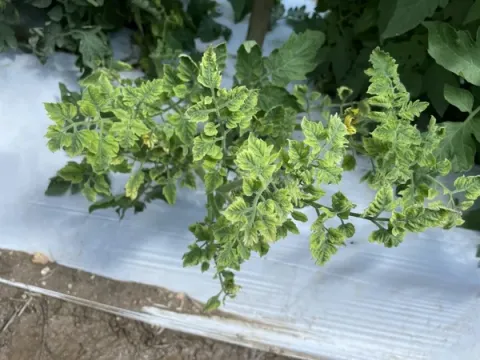
Initial symptoms of infection typically manifest as systemic mosaic patterns on young leaves. Affected areas display characteristic spotting with an alternation of light green and dark green zones.
Deformation of leaf blades, including curling or partial chlorosis, is frequently observed. In certain plant species, vein necrosis occurs, leading to premature leaf drop and overall plant wilting.
When reproductive organs are affected, flowers show significant deformation, and fruit set is dramatically reduced. Fruits formed on infected plants often exhibit stunted growth and atypical, mottled coloration.
Stunting of overall plant growth and development is a common symptom of systemic infection. Affected plants appear suppressed with shortened internodes and fragile stems.
- Mosaic leaf patterning
- Chlorotic spotting
- Leaf blade deformation
- Reduced growth rates
- Tissue necrosis
The development of a viral infection is directly linked to the presence of insect vectors such as aphids, leafhoppers, or whiteflies. These insects facilitate the transmission of the virus from infected to healthy plants throughout the growing season.
Warm and humid weather conditions provide a favorable environment for the rapid spread of these pathogens. High temperatures promote the active reproduction of insect vectors, significantly increasing the viral load on the crop.
Mechanical injury to plants during routine agricultural operations acts as a critical pathway for virus transmission. The use of non-sterilized tools is one of the most common causes of infection spread.
Seeds harvested from infected plants can serve as a hidden reservoir for the virus. Many members of the Shotokuvirae realm can persist in seeds in a latent state for extended periods.
Plants stressed by environmental factors, such as drought, nutrient imbalances, or poor soil aeration, become significantly more susceptible to the intrusion of viral particles.
The primary harmful impact is a substantial reduction in both yield quality and quantity. Fruits often lose their market value due to size reduction and poor taste, rendering them unsuitable for sale.
Viral infection can lead to a complete inhibition of the plant's reproductive functions. In commercial agriculture, this translates into severe losses in total production volume.
Chronic infection weakens the plant's immune system, making it highly susceptible to secondary bacterial and fungal infections. This complicates both the diagnostic process and treatment efforts.
Economic damage includes high costs associated with disinfection procedures and the inevitable culling of significant portions of the crop. Often, the only radical control measure is the total destruction of infected plants.
Viruses within this realm pose a constant threat to greenhouse operations, where the enclosed environment allows the infection to spread rapidly, potentially affecting nearly all plants in a short timeframe.
The priority in disease management is the use of certified seed material that has undergone strict phytosanitary testing. This is the most effective strategy to prevent primary pathogen introduction.
Managing insect vector populations is an essential link in plant protection. The strategic use of systemic insecticides allows growers to limit vector populations during critical growth stages.
Strict adherence to hygiene practices during plant care, including the regular disinfection of pruners and other tools, prevents the mechanical transmission of viral particles between plants.
Prompt identification and removal of infected plants (roguing) help localize the source of the infection. Removed plant debris must be taken out of the field and destroyed via thermal treatment or deep burial.
The introduction of virus-resistant cultivars and hybrids is a strategic direction for plant breeding. Spatial isolation of fields also decreases the probability of vector migration from adjacent infected plots.