
Sequivirus
Sequivirus
The causal agent is a virus of the genus Sequivirus, which belongs to the Secoviridae family. It is a single-stranded RNA virus that parasitizes plant cells.
What the section contains
Sequivirus
This is a systemic disease that primarily affects the vascular tissue, causing a widespread breakdown of the plant's metabolic functions.
In the field, transmission is primarily mediated by insect vectors, such as aphids, which acquire the virus while feeding on infected plant sap.
The virus maintains its presence in reservoirs, including perennial weeds and self-sown plants, which survive throughout the winter seasons.
Sequiviruses are distinguished by their specific protein translation mechanisms, making them unique within the order Picornavirales.
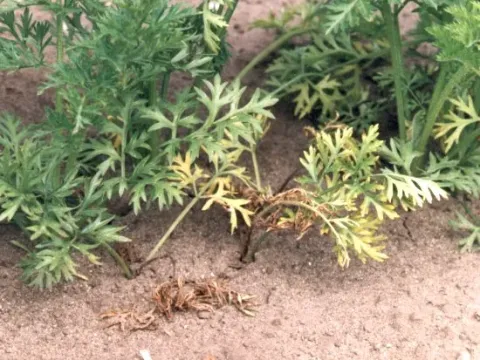
Initial signs of infection include chlorotic mottling, mosaic patterns, and streaks on leaves, reflecting impaired chlorophyll production and distribution.
Infected plants typically exhibit significant stunting, characterized by shortened internodes and a overall reduced vegetative mass.
Leaf deformation is a common symptom, where the blades may twist or curl, often becoming asymmetric or smaller than those of healthy plants.
In severe cases, tissue necrosis or premature leaf senescence occurs, leading to a significant loss of photosynthetic capacity and plant vigor.
- Leaf chlorosis
- Mosaic leaf patterns
- Stunted growth
- Leaf twisting
- Reduced fruit size
Disease spread is most rapid during periods of high insect vector activity, often correlated with warm and dry weather conditions.
Environmental stress, such as extreme heat or nutrient deficiency, renders plants significantly more susceptible to successful viral infection.
The presence of wild plant hosts in the proximity of commercial fields serves as a constant source for the introduction of the virus into crops.
Intensive cropping systems, especially in greenhouses, allow the virus to circulate freely if proper hygiene and vector control are not maintained.
The virus can also be spread through mechanical contact or pruning tools if they are not sanitized between operations on infected and healthy plants.
The economic impact of Sequivirus is primarily driven by substantial yield losses, as infected plants often fail to reach full maturity or produce viable seeds.
The quality of harvested produce is often compromised, with fruits or vegetables exhibiting signs of poor development, discoloration, or deformities.
Once a plant is systemically infected, there is no curative treatment, leading to a total loss of the infected specimen's productivity.
Increased susceptibility to secondary pathogens following a viral infection often leads to rapid decay and post-harvest losses in storage.
Widespread occurrence in a region can lead to significant financial burdens due to the need for rigorous plant health inspection and potential quarantine.
The foundation of effective control is the use of virus-free, certified seeds and planting material to prevent initial infection of the crop.
Regular monitoring and management of insect vector populations through targeted pesticide applications are essential for limiting viral transmission.
Sanitation practices, including the removal and destruction of symptomatic plants, help to reduce the inoculum levels in the field.
Crop rotation and weed control are critical strategies to eliminate potential reservoir hosts that harbor the virus between growing seasons.
Developing and planting resistant cultivars remains the most sustainable and efficient approach for managing this viral disease in the long term.