
Secoviridae
Secoviridae
Secoviridae is a family of plant viruses characterized by a positive-sense, single-stranded RNA genome. These pathogens are obligate parasites that rely entirely on the host plant's cellular machinery to replicate and disseminate.
What the section contains
Secoviridae
The virus particles are non-enveloped and exhibit icosahedral symmetry, which contributes to their environmental stability. This structural integrity allows the virus to survive for extended periods in various conditions, including soil and crop debris.
Secoviruses typically infect plants systemically. Once the initial infection occurs, the virus utilizes the plant's phloem to transport itself throughout the entire organism, eventually reaching seeds, roots, and reproductive tissues.
A distinctive biological feature of this family is the involvement of specific vectors in their spread. Soil-borne nematodes and certain insects act as efficient carriers, significantly increasing the risk of field-wide outbreaks.
The viral genome encodes proteins that inhibit the host's innate immune system. This allows the virus to evade detection and establish chronic infections, often leading to long-term impairment of the host's physiological functions.
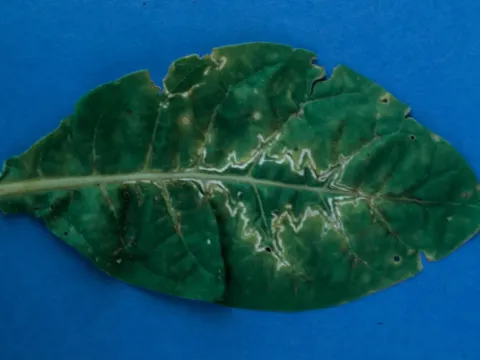
Symptoms of Secoviridae infection are highly variable depending on the host species and viral strain. Common manifestations include chlorotic spotting, mosaic patterns, and ring-shaped lesions on foliage. Leaves may appear deformed, puckered, or asymmetrical.
Affected plants frequently display stunted growth and shortened internodes. This physical degradation leads to a poor architecture, reducing the overall biomass and vigor of the individual crop plant.
Reproductive organs, including fruits and flowers, are often severely affected. Fruits may become discolored, necrotic, or misshapen, rendering the harvest unmarketable and susceptible to rotting during storage.
Lenticular or sub-clinical infections are common, where the plant appears nearly normal while still harboring significant viral titers. This makes field diagnosis challenging without professional laboratory testing (e.g., ELISA or PCR).
- Mosaic patterns and ring spots on leaf surfaces.
- Leaf curling and irregular foliage development.
- Severe stunting and reduced plant height.
- Deformed fruit and flower abortion.
The spread of Secoviridae is closely linked to the presence of nematode vectors in the soil. Favorable conditions for nematode activity—such as high soil moisture and moderate temperatures—directly accelerate the transmission rate.
Mechanical transmission is another critical route, particularly in intensive farming systems. Contact between infected and healthy tissues via pruning tools, tractor implements, or physical damage provides easy entry points for the virus.
Host plant stress plays a significant role in disease severity. Plants struggling with nutrient imbalances, drought, or competing weeds are significantly more prone to rapid colonization by the virus compared to healthy specimens.
Long-term survival of the virus is often maintained in perennial weeds or abandoned crop residues surrounding the field. These reservoirs serve as an annual source of inoculum for newly planted crops.
Repeated cropping of susceptible varieties on the same plot increases the viral load in the soil. This cumulative effect is a hallmark of Secoviridae outbreaks in monoculture agricultural systems.
Secoviridae infections cause substantial economic losses by reducing total crop yield by 30% to over 70%. The physiological drain caused by the virus significantly hinders the plant's ability to produce quality harvestable goods.
Fruit quality deterioration is a major financial risk. Deformed, discolored, or small fruits lose their market value, making the produce unsuitable for fresh consumption or processing and shortening shelf life.
Infected planting materials, such as seeds or nursery stock, lead to the geographical expansion of the disease. Controlling these viruses in nurseries is critical to preventing the export of contaminated materials to unaffected areas.
The impact on perennial plantations, such as orchards, is devastating. An established Secoviridae infection often necessitates the removal and destruction of the entire plantation to prevent further spread.
Chronic infection results in a weakened immune state for the plant, making it significantly more susceptible to secondary infections by pathogenic fungi, bacteria, or other insect pests, compounding total yield loss.
The cornerstone of Secoviridae management is the use of certified virus-free planting materials. Strict phytosanitary protocols in nurseries are essential to ensure the initial health of the crop.
Integrated Pest Management (IPM) is necessary to control vectors such as nematodes and aphids. Using crop rotation and soil fumigation, where legally permitted, can significantly reduce the population of vectors in the field.
Sanitation practices, including the regular disinfection of agricultural equipment and the immediate removal of symptomatic plants, help to break the cycle of mechanical transmission.
Weed management and the removal of wild hosts around the field perimeter are vital for reducing natural reservoirs of the virus. Maintaining a clean field environment limits the re-introduction of the pathogen.
Ongoing genetic research focuses on breeding resistant or tolerant crop varieties. Utilizing molecular breeding techniques to develop crops that restrict viral replication is the most sustainable approach to protecting future yields.