
Rymovirus
Rymovirus
Rymovirus is a genus of plant viruses belonging to the Potyviridae family, primarily known for causing mosaic diseases in cereal crops.
What the section contains
Rymovirus
The most significant member of this genus is the Wheat streak mosaic virus, which is characterized by filamentous, single-stranded RNA particles.
These viruses are obligate parasites, meaning they strictly depend on a living plant host to replicate and complete their life cycle.
Transmission of rymoviruses in nature is highly specific and is mediated by eriophyid mites rather than by physical contact or soil moisture.
The wheat curl mite, Aceria tosichella, serves as the primary vector, acquiring the virus from infected hosts and transmitting it during feeding.
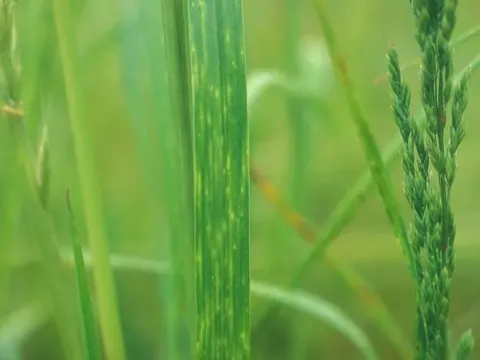
Symptoms of rymovirus infection often begin as faint, yellow-green streaks or mosaic patterns on the leaves of young cereal plants.
As the disease progresses, these chlorotic areas may expand and coalesce, leading to severe yellowing and premature drying of leaf tissues.
Affected plants often display stunted growth, reduced tillering, and an overall lack of vigor compared to healthy counterparts.
In cases of severe infection, spikes may become distorted or fail to produce viable grains, significantly impacting the crop's reproductive phase.
The mosaic symptoms are typically most visible in cooler weather, becoming masked or less apparent as temperatures rise significantly.
The spread of rymovirus is heavily dependent on the population dynamics and activity levels of the mite vector, Aceria tosichella.
Infection cycles are maintained by the presence of volunteer cereal crops and certain wild grasses that act as reservoirs during the off-season.
Dry and warm weather conditions are generally conducive to the migration of mites from infested stubble to newly emerged winter wheat.
Early planting of winter cereals increases the risk of exposure, as young seedlings become susceptible hosts during the peak migration period of mites.
Wind-borne dispersal of mites allows the virus to spread rapidly across fields, creating localized patches of infection that eventually grow larger.
Rymovirus infection poses a serious threat to cereal production, capable of causing substantial reductions in both yield and grain quality.
Plants infected early in the season may suffer from significant stunting, leading to a drastic decrease in biomass and eventual grain output.
Grain harvested from infected crops is often shriveled and lightweight, which limits its marketability and industrial utility.
Furthermore, rymovirus weakens the plant's physiological integrity, making it more prone to secondary infections and environmental stressors.
Widespread outbreaks can result in severe financial losses for farmers, sometimes necessitating the total abandonment of severely affected sections of the field.
Effective management begins with strict sanitation practices, particularly the destruction of volunteer wheat and grasses to remove virus reservoirs.
Adjusting planting dates to avoid the peak activity window of the wheat curl mite is a crucial strategic measure for preventing infection.
Utilizing resistant or tolerant crop varieties provides the most durable and sustainable method for mitigating the impact of the virus.
Chemical control of mites is generally limited in efficacy and is often difficult to implement on a scale that provides complete protection.
- Implement deep tillage to eliminate volunteer crops before the new planting season.
- Maintain appropriate spatial isolation between current crops and nearby infested stubble fields.
- Monitor mite populations in high-risk areas to inform necessary management decisions.