
Ryegrass tritimovirus
Tritimovirus arrhenatheri
Description
Symptoms
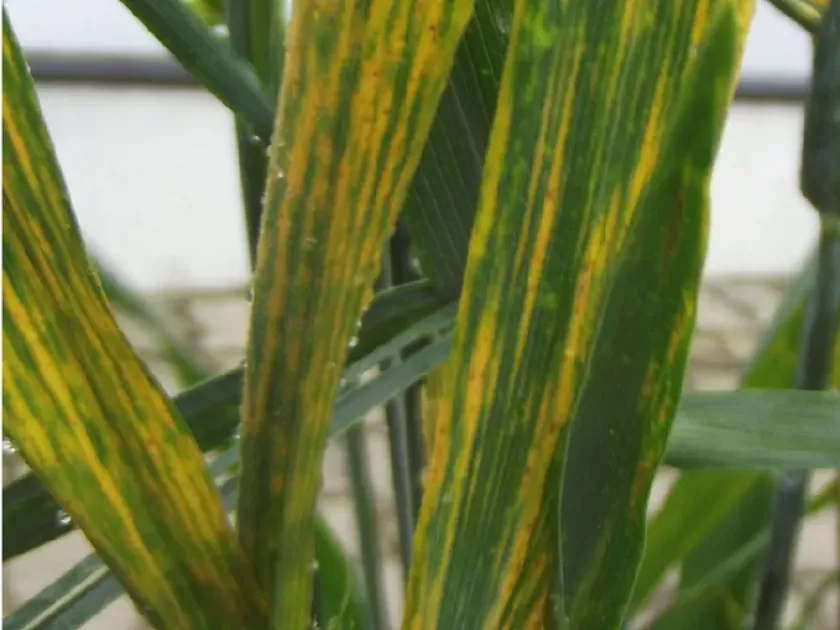
The most common symptoms include leaf mosaic patterns, characterized by alternating light and dark green areas. Often, these manifestations appear as chlorotic streaks running parallel to the leaf veins.
Infected ryegrass plants show significant growth inhibition. Stunted plants are a hallmark of the disease, resulting in reduced biomass and diminished overall stand quality in forage production.
Premature yellowing and senescence of the lower leaves are frequently observed. This physiological stress weakens the plant, reducing its ability to survive winter dormancy or endure summer drought conditions.
In the reproductive stage, the disease can cause malformation of the inflorescence. Floral sterility or distorted seed heads are common, which directly impacts the seed yield potential of the crop.
Visual identification can be difficult due to symptoms overlap with nutrient deficiencies. Therefore, molecular diagnostics, such as RT-PCR or ELISA, are recommended for definitive identification of the virus.
Pathogen
The causal agent of this disease is Arrhenatherum elatius tritimovirus (formerly known as Tritimovirus arrhenatheri), a virus belonging to the genus Tritimovirus, family Potyviridae. It is a single-stranded RNA virus that specifically infects various grass species.
The viral particles exhibit the characteristic filamentous morphology of potyviruses, which facilitates their movement through plant tissues after initial infection. The virus relies on plant cellular machinery for its replication.
The genome of the virus encodes proteins essential for replication and the formation of the viral capsid. These viral processes significantly divert plant resources, leading to the physiological disturbances characteristic of the disease.
Eriophyid mites serve as the primary natural vectors for this virus. During feeding on infected plants, these mites ingest viral particles and transmit them to healthy ryegrass individuals, facilitating rapid spread across a field.
Since the infection is systemic, the virus spreads through the vascular system of the host, reaching all parts of the plant. This persistent nature of the infection makes it challenging to eradicate once established in a field.
Conditions for development
The development of the virus is largely dependent on the activity of its mite vectors. Favorable conditions for mite reproduction and migration include warm and dry weather, typically occurring during spring and early summer.
The presence of reservoir hosts, including wild grasses and volunteer plants left after harvest, provides a consistent source of inoculum. These sources allow the virus to persist in the ecosystem throughout the year.
High planting density in forage fields promotes the rapid movement of vectors between plants. This creates optimal conditions for localized infection spots to expand into widespread outbreaks throughout the field.
Stress factors such as water deficit or soil compaction weaken the ryegrass plants, increasing their susceptibility to viral entry. Plants damaged by other pests or agricultural machinery are particularly vulnerable.
In regions with mild winters, the virus can survive in the crown tissue of perennial grasses. This allows for early-season infection as soon as the active growth of the host plants begins.
Why it matters
The primary economic impact is the reduction in green biomass yield. Infected forage has lower nutritional quality, decreasing its value as livestock feed and potentially affecting animal health.
The disease contributes to stand thinning, as severely infected plants may die. This leads to gaps in the field, which are quickly exploited by weeds, necessitating increased herbicide use and higher management costs.
Infected plants show significantly lower winter hardiness. As the sugar reserves in the crown are depleted due to viral infection, these plants are more prone to winterkill, often requiring costly field reseeding.
Seed production is heavily compromised by the virus. Lowered seed yield and poor germination rates make it difficult for farmers to maintain their own high-quality seed stocks.
General plant physiological weakening leaves crops more vulnerable to secondary infections, including fungal pathogens, creating a complex disease situation that is difficult to treat with standard pesticides.
Protection
The primary strategy for controlling ryegrass tritimovirus is the use of healthy, certified seed lots that are verified to be free from viral pathogens.
Managing populations of eriophyid mites is crucial for limiting the spread of the virus. Targeted acaricide applications at the onset of vector activity can effectively reduce the viral transmission rate.
Cultural practices, such as rigorous weed control to eliminate reservoir hosts and the removal of volunteer ryegrass, are essential to break the infection cycle within the field.
Implementing crop rotation, where ryegrass is rotated with non-grass crops, helps to significantly reduce the inoculum pressure in the soil and prevents virus persistence.
Maintaining spatial isolation between new ryegrass fields and older, potentially infected stands helps minimize the risks of mite-borne transmission to new areas of cultivation.
Discussion
No discussions yet — be the first.