
Sadwavirus
Sadwavirus
Sadwavirus is a genus of plant-infecting viruses within the Secoviridae family. These pathogens are characterized by a bipartite positive-sense RNA genome.
What the section contains
Sadwavirus
The virus particles are non-enveloped, isometric, and possess a stable protein shell, which contributes to their persistence in agricultural environments.
Sadwavirus species are known to cause systemic infections in a wide range of host plants, particularly within the botanical families associated with vegetable production.
The biological nature of the virus makes it highly mobile within a crop canopy, especially when mechanical contact between plants occurs frequently.
Ongoing research focuses on the molecular mechanisms of viral replication and the evolution of these pathogens in response to resistant crop breeding.
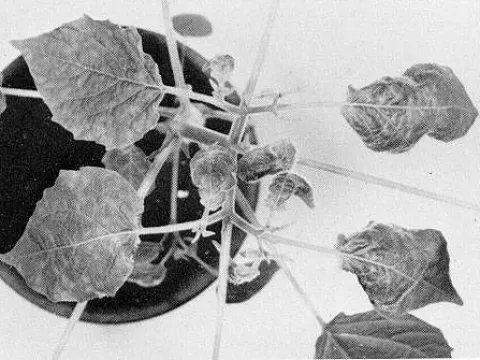
Signs and symptoms of Sadwavirus infection typically manifest as mosaic patterns on foliage, ranging from light green to yellow chlorosis.
Affected leaves often show significant malformations, such as curling, crinkling, or the development of narrow, shoe-string-like shapes.
Stunted growth is a hallmark of the infection, with shorter internodes causing the plant to appear bushy or unusually compact.
Fruit development is often severely hampered, resulting in distorted shapes, surface mottling, and necrosis, which makes the produce unmarketable.
In systemic infections, the apical meristem may die, leading to the cessation of primary stem growth and a catastrophic reduction in yield potential.
The spread of Sadwavirus is highly dependent on the presence of vectors, such as aphids, thrips, or soil-borne nematodes, which transmit the pathogen while feeding.
Optimal environmental conditions, particularly warm temperatures and high humidity, facilitate the rapid proliferation of insect vectors in both greenhouse and field settings.
Mechanical transmission is a critical factor, as contaminated tools or human handling during pruning and harvesting can easily spread the virus.
Infected seeds or propagation material act as primary reservoirs, introducing the virus into previously healthy agricultural land.
Poor field hygiene, including leaving crop debris in the soil, provides a niche for the virus to persist between growing seasons.
The harmful impact of Sadwavirus is systemic, causing profound physiological changes that disrupt the host plant's ability to conduct photosynthesis.
Yield loss is the most significant consequence, with infections often resulting in the loss of a large portion of the potential crop harvest.
Economic damage also arises from the reduced quality of the fruits, which fail to meet industry standards for size, shape, and shelf-life durability.
The physiological stress caused by the virus makes the plants more susceptible to secondary fungal or bacterial infections, further complicating management.
In high-density greenhouse systems, an untreated outbreak can quickly infect the entire crop, leading to total economic failure for the production cycle.
Control and prevention strategies focus on rigorous exclusion methods, such as utilizing virus-indexed and certified pathogen-free seeds.
Integrated Pest Management (IPM) is essential to reduce populations of insect vectors, utilizing both chemical control and biological barriers like sticky traps.
Strict sanitation protocols, including the disinfection of tools with bleach or appropriate antiviral solutions, must be observed to prevent mechanical transmission.
Early identification and immediate rogueing (removal and destruction) of infected plants are vital to slow the spread within the field.
Maintaining clean production areas by eliminating weed hosts and implementing proper crop rotation cycles is fundamental to limiting the survival of the pathogen.