
Barberry mosaic virus
Potyvirus thurnbergii
The causative agent of this disease is a plant virus belonging to the genus Potyvirus, commonly known as the Barberry mosaic virus.
What the section contains
Barberry mosaic virus
These viruses are characterized by flexuous filamentous particles containing a single-stranded RNA genome that disrupts plant cell metabolism.
Transmission of the virus occurs primarily through the use of infected cuttings during vegetative propagation of the barberry shrub.
Mechanical transmission is also a significant factor, as the virus can be spread via contaminated pruning tools used on infected plants.
In addition to human-mediated spread, certain insect species, particularly aphids, can act as vectors, moving the virus between host plants.
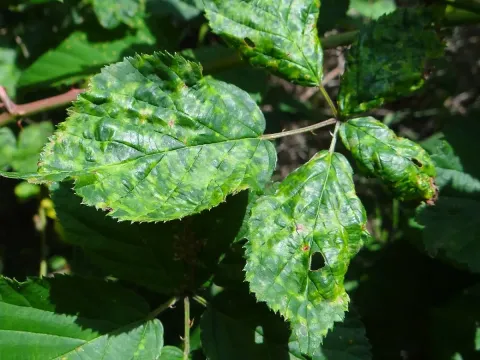
The hallmark sign of the infection is the mosaic pattern on the leaves, which appears as a mix of light green, yellow, or white discolorations.
The patterns can manifest as mottled patches, distinct rings, or vein clearing, depending on the severity of the virus infection.
Infected foliage may display signs of puckering, curling, or deformation, which significantly reduces the aesthetic value of the ornamental shrub.
Stunted growth is commonly observed, as the virus affects the physiological processes and nutrient uptake of the infected plant.
- Mottled or mosaic discoloration of leaves.
- Leaf curling, puckering, and tissue deformation.
- Reduced vigor and stunted branch development.
The virus thrives in environments where vegetatively propagated plants are grown in close proximity, facilitating easy cross-contamination.
Warmer temperatures and high activity of sap-sucking insects in spring and summer provide ideal conditions for the rapid spread of the virus.
Poor nursery hygiene, especially failing to sanitize pruning tools after cutting infected branches, is a major trigger for infection spread.
Stress factors such as drought or poor soil nutrition can exacerbate the symptoms of the virus, making the plants more vulnerable to decline.
The latent period of the infection makes early detection difficult, allowing the virus to persist unnoticed in established plantings.
The primary harm caused by the Barberry mosaic virus is the permanent loss of visual appeal, rendering the plant unsuitable for ornamental use.
Chronic infection results in the overall weakening of the shrub, making it susceptible to secondary fungal or bacterial pathogens.
In commercial nurseries, the infection leads to the loss of stock, as infected plants cannot be certified for healthy, disease-free sales.
Over time, the cumulative impact of the virus results in the decline of the shrub, ultimately requiring the removal of the entire planting area.
The economic impact involves not only the loss of current stock but also the extensive costs associated with disinfecting the cultivation site.
The best control strategy is to source virus-indexed, certified disease-free propagation material from reputable professional nurseries.
Strict sanitation protocols must be enforced, including the sterilization of all pruning equipment with suitable disinfectants after every cut.
Effective pest management programs targeting aphid populations are crucial to limit the natural spread of the virus within the garden.
Continuous monitoring of the plants for any suspicious mosaic patterns allows for the immediate rogueing and disposal of infected shrubs.
Once a plant is confirmed to be infected with a potyvirus, there is no curative treatment, making removal and quarantine the only viable options.