
Sorghum mosaic virus
Potyvirus halapensis
The causal agent of this disease is the Sorghum mosaic virus (SrMV), which belongs to the genus Potyvirus. It consists of thread-like flexuous particles that can systemically infect various grass species.
What the section contains
Sorghum mosaic virus
The virus is primarily transmitted through infected seeds and by aphids in a non-persistent manner. It can also spread through mechanical transmission in the field during standard agricultural operations.
Perennial grasses, such as Sorghum halepense (Johnson grass), act as the primary overwintering host and reservoir for the virus, ensuring its survival from one season to the next.
Once inside the host cell, the viral RNA genome triggers a rapid replication process. The virus spreads via the phloem to all parts of the plant, disrupting normal cellular physiology.
Research indicates that the virus maintains its stability within host tissues for extended periods, making the eradication of the primary weed hosts essential for disease management.
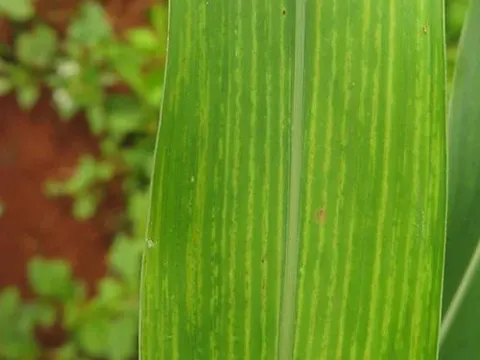
The hallmark of the disease is a mosaic pattern on the leaves, characterized by alternating light green and dark green patches that often follow the leaf veins.
Stunted growth is commonly observed in infected plants, frequently accompanied by shortened internodes and a overall reduction in plant height compared to healthy specimens.
Leaves may show signs of deformation, such as crinkling, twisting, or uneven development, which negatively impacts the surface area available for photosynthesis.
Severe infections may lead to necrotic spots or streaks, which can eventually result in the drying and senescence of the leaf tissue prematurely.
- Chlorotic mosaic patterns.
- Leaf stunting and twisting.
- Delayed flowering and panicle emergence.
- Reduced grain filling in the panicle.
The economic impact of Sorghum mosaic virus is substantial, as it significantly reduces both grain yield and biomass quality in forage sorghum varieties.
Infected plants exhibit poor grain filling, resulting in shriveled or lightweight seeds that are unsuitable for future planting or processing into feed.
The disease weakens the plant's physiological resilience, making it more susceptible to secondary infections by fungi and increased vulnerability to environmental stressors like heat and drought.
Field studies have shown that early-season infections can lead to yield losses ranging from 20% to 50% depending on the susceptibility of the cultivar and environmental conditions.
Beyond quantity, the nutritional value of the forage is diminished, as the viral infection alters the plant's metabolic pathways and reduces the accumulation of sugars and proteins.
The primary control measure is the use of certified, virus-free seeds, which eliminates the most significant pathway for the initial introduction of the pathogen into a field.
Aggressive weed management is critical, particularly the control of Johnson grass, as it serves as the primary reservoir for the virus during the off-season.
Implementing effective aphid control strategies using targeted insecticides can help reduce the population of vectors that transmit the virus to healthy crops.
Spatial isolation of new sorghum fields from older or infected plantings is a recommended cultural practice to limit the potential spread of the virus by insect vectors.
Crop rotation and field hygiene, including the removal of infected crop residues, are vital for maintaining low levels of inoculum in the environment and protecting subsequent harvests.