
Ourmiavirus
Ourmiavirus
Ourmiavirus is a genus of plant viruses characterized by a unique tripartite genome consisting of three single-stranded RNA segments.
What the section contains
Ourmiavirus
This pathogen acts as a causal agent for various viral diseases in a wide variety of essential agricultural and horticultural crops.
As an obligate parasite, the virus relies entirely on the host plant's metabolic pathways to complete its replication cycle.
The genus name is derived from the Urmia region, where the first representative members of this virus group were isolated.
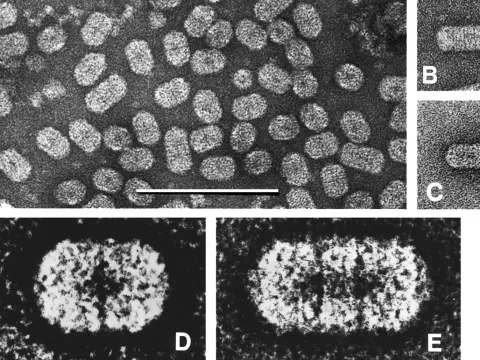
Ourmiaviruses are unique among plant viruses because they lack a dedicated coat protein, which makes them a distinct subject in modern virology.
Primary symptoms of infection include chlorotic spots on leaves, which often progress into a distinct mosaic-like discoloration pattern.
Plants affected by Ourmiavirus typically show signs of stunted growth, reduced vigor, and noticeable deformation of the foliage.
Necrotic lesions may appear on leaves and stems in more severe cases, often leading to premature abscission and tissue death.
Initial infection stages are frequently latent, meaning the plant shows no obvious symptoms while the virus is actively spreading.
Symptom severity varies significantly depending on the host species, the developmental stage of the plant, and prevailing environmental conditions.
Transmission occurs primarily through mechanical means, such as contact with contaminated tools or during routine agricultural operations.
Specific insect vectors can play a crucial role in the spread of the virus by transferring particles between infected and healthy plants.
High temperatures and humidity levels tend to favor the activity of vectors and the rapid progression of viral infections in the field.
Contaminated soil debris and previous crop residues can serve as significant reservoirs for the virus, posing a threat to new plantings.
Monoculture farming practices significantly increase the risk of rapid virus dissemination across entire fields due to high host density.
The primary economic impact of Ourmiavirus is a drastic reduction in crop yields due to impaired photosynthetic capacity.
Infection results in poor fruit quality, including size reduction, shape irregularities, and a loss of overall market value.
Affected plants suffer from a weakened immune system, leaving them highly susceptible to opportunistic bacterial and fungal diseases.
In severe infestation cases, the virus can cause plant decline or mortality, leading to significant stand loss and financial instability.
The accumulation of the virus within seeds presents a long-term management challenge, as it can be carried over to subsequent growing cycles.
The most effective management strategy is the use of virus-free, certified planting material and resistant plant cultivars.
Strict sanitation measures, including the regular disinfection of gardening tools and equipment, are essential to prevent mechanical spread.
Implementing a rigorous pest control program to manage insect vectors is critical to reducing the incidence of virus transmission.
Effective weed management helps eliminate potential alternative hosts that can harbor the virus when the main crop is absent.
Adopting proper crop rotation practices helps to disrupt the viral life cycle and minimizes the inoculum pressure in the field soil.