
Myrobalan latent ringspot virus
Nepovirus cerasiferae
The causative agent of the disease is the Myrobalan latent ringspot virus, a member of the genus Nepovirus, which specifically affects stone fruit crops.
What the section contains
Myrobalan latent ringspot virus
This is a systemic viral disease, meaning that once the plant is infected, the virus particles multiply and spread through the vascular system to all plant parts.
The virus is characterized by its ability to persist in the host tissues for extended periods, often without showing any obvious signs of infection.
In nature, the virus is primarily transmitted by soil-dwelling nematodes, which act as vectors while feeding on the root systems of infected trees.
Human activity also plays a major role, as the virus can be spread through contaminated grafting material, rootstocks, and potentially infected pruning tools.
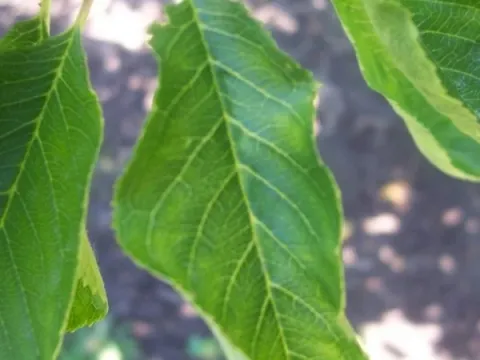
Typical symptoms include the development of chlorotic rings, spots, or mosaic patterns on the leaves, which are most visible during the spring growth phase.
Leaves on infected trees often exhibit signs of deformation, becoming wrinkled or misshapen, which can sometimes be mistaken for insect damage.
General growth reduction is common, manifested by shortened internodes and the production of smaller, stunted leaves across the canopy.
Fruit quality is significantly impaired, with infected trees producing smaller, deformed fruits that often show uneven ripening and skin discoloration.
The disease frequently presents in a latent form, meaning an infected tree may remain symptomless for years before stress triggers visible damage.
The primary environmental driver for the spread of this virus is the presence of nematode populations in the soil, which thrive in moist conditions.
Nematode activity increases with favorable soil temperatures and moisture levels, allowing them to migrate between roots and transmit viral particles.
The use of infected nursery stock is the most significant factor for introducing the disease into new orchards or previously healthy plantations.
Orchard management practices, such as mechanical soil cultivation that damages roots, can facilitate the entry of the virus carried by nematodes.
Many common orchard weeds serve as reservoirs for the virus, allowing it to survive and persist in the field even after the removal of infected trees.
The economic impact of the virus is significant, as it leads to a gradual decline in the vigor, health, and total productivity of the orchard.
Infected trees suffer from reduced physiological efficiency, leading to lower fruit yields and poor quality, rendering the produce unmarketable.
The virus weakens the structural integrity of the tree, making it more susceptible to secondary environmental stresses like extreme winter cold or summer heat.
Systemic infection disrupts nutrient metabolism, which accelerates the aging process of the trees and necessitates early removal from the production cycle.
Increased vulnerability to secondary pathogens, including fungi and bacteria, further exacerbates the damage caused by the initial viral infection.
The primary prevention strategy is to utilize only virus-free, certified planting material that has undergone strict quarantine and testing protocols.
Integrated pest management should focus on controlling soil nematode populations through crop rotation, fallowing, or the application of nematicides.
Maintaining a weed-free orchard environment is essential to eliminate alternative host plants and reduce the potential reservoirs for the virus.
If an infection is identified, immediate removal and destruction of the affected trees, including the root system, are critical to prevent further spread.
Rigorous sanitation of all pruning and grafting tools is necessary to prevent the mechanical transmission of the virus between healthy and potentially infected trees.