
Muricatus mosaic virus
Potyvirus muricati
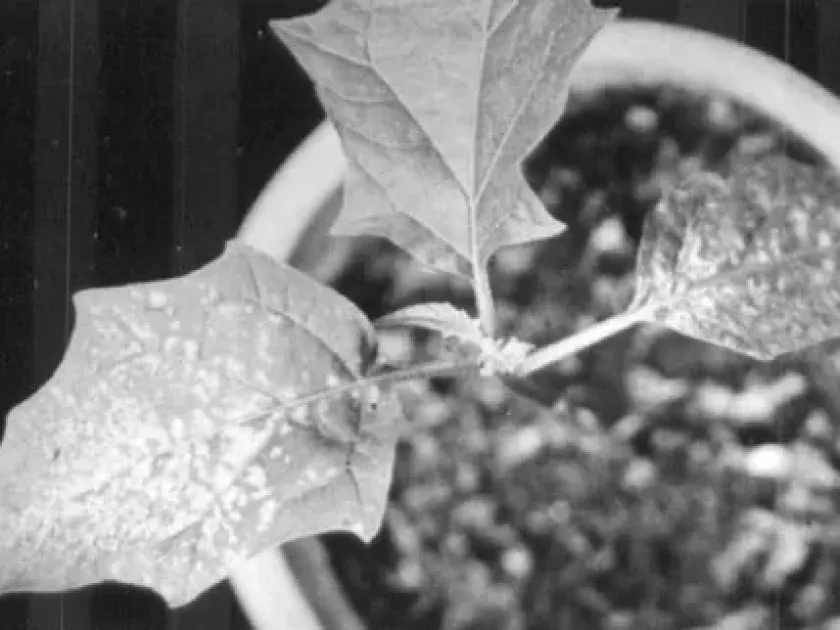
Description
Symptoms
The most common symptom is a mosaic pattern on the leaves, featuring alternating light and dark green areas. Leaf distortion, curling, and reduction in leaf size are frequently observed in infected plants.
Stunted growth is a hallmark of the disease, often characterized by shortened internodes and a general lack of vigor. Infected plants appear significantly smaller than healthy ones of the same age.
Fruit symptoms include uneven ripening, mottling, spots, or ring patterns. These manifestations severely compromise the marketability of the produce, often rendering it unsuitable for fresh sale.
- Mosaic mottling on the foliage
- Curling and distortion of leaves
- Overall stunting of the plant
- Reduced flowering and fruit set
- Necrotic spots on fruits and stems
Symptom expression can be highly variable depending on the host variety, the stage of development at the time of infection, and environmental conditions such as temperature and light levels.
Pathogen
Muricatus mosaic virus belongs to the Potyvirus genus, which is one of the largest and most destructive groups of plant viruses. This pathogen possesses flexuous filamentous virions and contains a single-stranded positive-sense RNA genome.
The virus is primarily transmitted by various aphid species in a non-persistent manner. It can also be spread mechanically through contaminated gardening tools, plant-to-plant contact, or during standard cultural practices like pruning or trellising.
Once inside, the virus moves systemically through the phloem, establishing a persistent infection throughout the host organism. Its high variability makes it difficult to develop resistant crop varieties, as new strains can evolve rapidly.
Environmental stability of the virus allows it to persist in alternative weed hosts during off-seasons. These reservoirs play a critical role in the annual cycle of the virus, serving as the starting point for field infections.
The infection process involves hijacking the host's cellular machinery for viral replication, which leads to metabolic disruption and the eventual development of characteristic phenotypic symptoms across the entire plant.
Conditions for development
The spread of the virus is inextricably linked to the population dynamics of its vectors, particularly aphids. Warm, dry weather conditions that favor aphid migration lead to rapid outbreaks in crop fields.
Greenhouse environments are particularly conducive to viral spread due to the protected climate that allows aphids to thrive year-round. High plant density also facilitates the mechanical transmission of the virus.
Weeds present in or near the field act as overwintering reservoirs. The virus survives in these perennial plants and is carried to new crops by winged aphids during the spring and summer months.
Poor sanitation practices, such as failing to clean tools between plants or not removing debris from previous harvests, significantly increase the rate of viral dissemination.
Stress factors that weaken plant immunity, such as nutrient deficiencies or improper irrigation, can make crops more susceptible to severe infection and hasten the progression of symptoms.
Why it matters
Muricatus mosaic virus causes significant economic loss by drastically reducing crop yields. Because the virus disrupts photosynthesis and nutrient allocation, the entire plant is physiologically weakened.
Fruit quality deterioration is a major concern, as deformities and poor coloration mean the produce fails to meet commercial standards, leading to high rejection rates at the point of sale.
The disease often leads to premature senescence of plant parts, limiting the harvest duration and forcing growers to abandon affected sections of the field prematurely.
Infected plants become more prone to secondary infections, such as fungal pathogens or bacterial rots, which capitalize on the plant’s inability to maintain its structural and chemical defenses.
In severe cases, if the virus establishes early in the season, losses can reach 50% or more, necessitating costly removal and disposal of entire crop stands to prevent further spread.
Protection
Since there are no curative treatments for plant viral diseases, management focuses on prevention. Controlling aphid vectors using systematic insecticide applications is the primary method to break the transmission cycle.
Effective sanitation, including the regular removal of weeds that serve as alternate hosts and the disinfection of pruning tools, is essential for maintaining a virus-free environment.
Growers should prioritize the use of high-quality, certified, and disease-free seeds or transplants to ensure that the initial crop stand is clear of any latent infections.
Monitoring the field for symptomatic plants and promptly roguing them (removing and destroying them) helps to reduce the inoculum level within the immediate vicinity.
Strategic timing of planting and the use of physical barriers, such as insect-proof nets in greenhouses, can significantly reduce the pressure of insect-borne viral infections.
Discussion
No discussions yet — be the first.