
Mulberry ringspot virus
Nepovirus mori
The causative agent is the Mulberry ringspot virus (MRSV), which belongs to the Nepovirus genus. These are small, non-enveloped, icosahedral particles containing a bipartite single-stranded RNA genome.
What the section contains
Mulberry ringspot virus
As an obligate plant parasite, the virus requires biological vectors or physical wounds to infect the host tissue and initiate systemic replication.
The virus persists in the vascular tissues of perennial woody plants, where it remains active and creates a permanent reservoir for subsequent spread.
Genetic variability within the viral population makes it difficult to develop fully resistant mulberry cultivars through traditional breeding methods.
Systemic infection disrupts the metabolic processes of the plant, leading to the inhibition of photosynthesizing tissues and the overall decline of plant vigor.
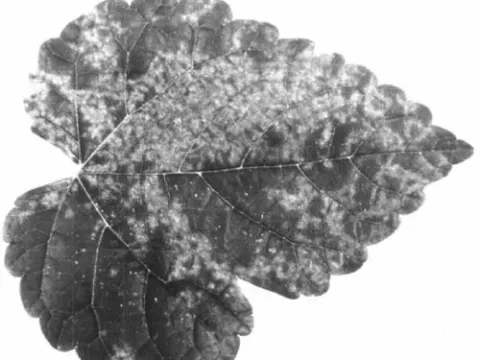
Key symptoms include chlorotic rings, spots, and yellow mottling on the leaves, which are most visible during the active growth phase in spring.
Affected leaves often exhibit deformation, becoming crinkled or stunted due to localized interference with cell division and expansion.
Infected trees show reduced shoot growth, shortened internodes, and a stunted appearance, often referred to as the witch's broom effect in severe cases.
Necrotic lesions may develop on the bark of younger branches, eventually causing tip dieback and structural weakness of the tree limbs.
Fruit set is significantly reduced; remaining fruits often appear deformed, discolored, and fail to reach maturity, leading to early abscission.
The primary vector for the natural transmission of the virus is the soil-inhabiting nematode, specifically of the genus Xiphinema.
Environmental conditions that favor the activity and movement of these nematodes, such as warm temperatures and moist soils, increase the incidence of infection.
Global dissemination is driven by the movement of contaminated nursery stock, including rootstocks and scions derived from infected mother trees.
Mechanical transmission occurs through contaminated pruning tools, which can harbor the virus on their surfaces if not disinfected between cuts.
High-density planting systems facilitate faster root-to-root contact, promoting the rapid spread of nematode-borne viruses within an orchard.
The virus poses a severe threat because it induces systemic and irreversible disease, rendering the plant unproductive for the remainder of its life.
Commercial loss is high due to the reduction in the total biomass and quality of leaves, which is vital for the sericulture (silk production) industry.
The plant's compromised immune system makes it more susceptible to opportunistic pathogens and adverse environmental stressors like drought or frost.
Economic damage stems from the necessity of total orchard eradication, including the removal of root systems to prevent further contagion.
Long-term investment is jeopardized by the shortened economic life span of plantations, forcing growers into premature and expensive replanting cycles.
The most effective strategy is the exclusive use of virus-tested, certified disease-free nursery stock for establishing new plantations.
Strict phytosanitary practices, including the regular inspection of trees and the immediate removal of symptomatic individuals, are essential.
Disinfection of all pruning equipment with ethanol or bleach solutions between every tree is mandatory to prevent mechanical virus transmission.
Managing nematode populations using approved nematicides or fallowing the land before replanting helps reduce the risk of vector-mediated infection.
Implementing a strict quarantine policy for incoming plant materials ensures that new strains of the virus are not introduced into non-infected areas.