
Mulpavirales
Mulpavirales
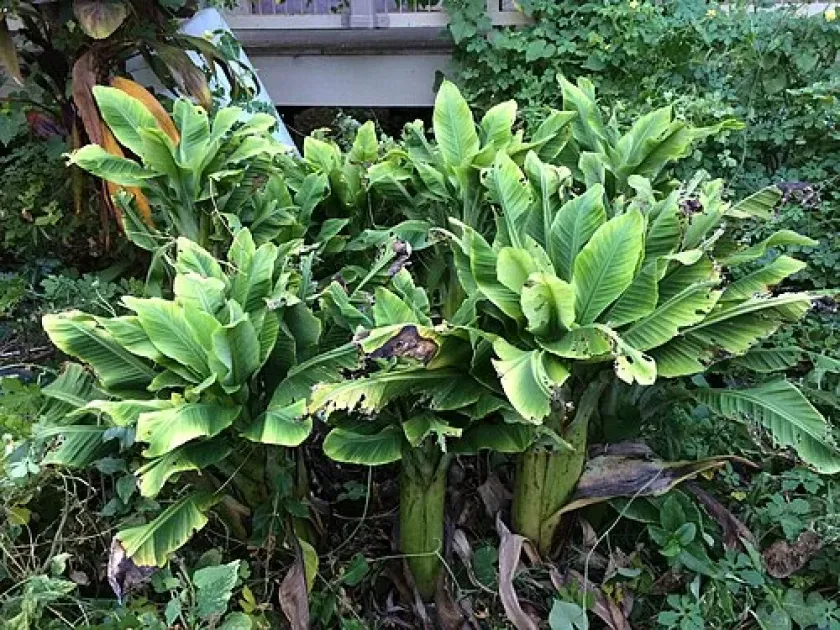
Description
Symptoms
The primary sign of infection is the appearance of characteristic mosaic patterns on leaves, manifested as a variation between light green and dark green areas. As the disease progresses, significant deformation of the leaf blade, curling of the margins, and stunted growth are observed.
In the early stages, chlorosis of young shoots may be noticed, which is often mistaken for micronutrient deficiency. However, unlike non-infectious chlorosis, Mulpavirales infections are systemic in nature and spread rapidly throughout the entire plant.
In cases where reproductive organs are affected, underdeveloped flowers, premature abscission, or malformed fruit with abnormal coloration may occur. In some instances, tissue necrosis can develop as small spots that may eventually coalesce into larger necrotic areas.
Visual inspection of plants allows for the identification of symptoms at various developmental stages, from apical growth points to lower leaves. The intensity of symptoms depends heavily on the physiological state of the crop and environmental conditions.
- Vein yellowing or clearing
- Dwarfing and internode shortening
- Leaf surface wrinkling
- Reduced commercial quality of fruits
- Overall growth retardation
Pathogen
Mulpavirales is an order of viruses that includes various pathogens responsible for systemic viral infections in agricultural and ornamental crops. These viruses are characterized by a single-stranded RNA genome and a distinct capsid structure, which determine their biological properties and mechanisms of invading host plant cells.
The pathogen is primarily transmitted via biological vectors, specifically insects with piercing-sucking mouthparts. Aphids, leafhoppers, and thrips are the main vectors that introduce viral particles into plant tissues while feeding on plant sap.
The biology of the virus is closely linked to the host cell's metabolism, where viral genome replication occurs. The pathogen hijacks the plant's enzymatic systems to synthesize its own proteins, leading to a disruption of normal metabolic processes and suppression of the plant's immune response.
Environmental stability of the virus varies by specific species within the order. Some strains can persist for extended periods in infected plant debris or in reservoir weed species that maintain the infection cycle during the off-season.
Genetic variability of the pathogen poses challenges for breeding resistant cultivars. Mutational processes allow the virus to adapt to plant defense mechanisms, making the management of this pathogen a high-priority task in modern phytopathology.
Conditions for development
The development of Mulpavirales is directly dependent on the activity of insect vectors, which correlates with temperature regimes. Optimal conditions for rapid viral spread occur during periods of warm and dry weather, which promote the active reproduction of aphids and leafhoppers.
An important factor is the presence of a primary source of infection. This includes weed reservoirs near fields and the use of contaminated planting material, which serves as the initial focal point for the spread of the virus throughout the crop area.
High planting density creates a microclimate favorable for the movement of insect vectors between adjacent plants. Under such conditions, the virus can transmit rapidly, affecting a significant portion of the harvest within a short period.
Stress factors, such as drought or improper irrigation, make plants more susceptible to viral invasion. A weakened immune system cannot effectively limit the spread of viral particles within plant tissues, accelerating the systemic disease process.
Poor agricultural practices, including inadequate weed control and failure to follow crop rotation cycles, create long-term conditions for the endemic presence of the virus. Monitoring insect vector populations is critical for managing infection conditions.
Why it matters
The harmfulness of Mulpavirales lies in the significant reduction of crop productivity. Viral infection disrupts photosynthesis, leading to reduced biomass accumulation and impaired energy metabolism in the host plant.
Economic damage consists of direct yield loss and reduced quality. Fruits obtained from infected plants often fail to meet market standards in terms of shape, size, and taste, rendering them unsuitable for commercial sale.
Systemic infection leads to a shortened vegetative period. Crops often die prematurely, preventing the achievement of target yields and necessitating additional expenses for replanting or field restoration.
The virus impairs plant resistance to abiotic stresses. Infected individuals are significantly less tolerant to frost, drought, and secondary pathogen attacks, creating a cumulative effect that leads to crop failure and serious financial losses for farmers.
On an agroecosystem scale, the virus can lead to the degradation of seed stock. Using seeds from infected plants facilitates the transmission of the virus into future seasons, making Mulpavirales a long-term threat to the profitability of agricultural enterprises.
Protection
The main strategy for protection is preventing the virus from entering the field by using healthy, certified planting material. This is the most effective method for minimizing the risk of primary infection at early growth stages.
Control of insect vectors remains the cornerstone of protection. The use of systemic insecticides helps reduce vector populations during critical developmental phases, thereby breaking the chain of viral transmission.
Phytosanitary weed control plays an important role. Regular weeding and the destruction of host plants that serve as "green bridges" for the virus significantly reduce the infectious pressure in the surrounding areas.
Agronomic methods, such as maintaining spatial isolation between new and old crop areas, help limit the spread of the virus. It is also recommended to select virus-resistant hybrids capable of restricting pathogen replication within tissues.
Monitoring crop health using modern diagnostic methods, such as ELISA or PCR, allows for the timely detection of infection hotspots. Identifying and immediately removing infected individuals from the field is a mandatory requirement for suppressing epiphytotics.
Discussion
No discussions yet — be the first.