
Nanovirus necrosis
Nanovirus necropisi
Description
Symptoms
The primary sign of infection is systemic tissue necrosis, manifesting as the death of stem, leaf, and vein areas. The leaf blade becomes deformed, curls up, and acquires a chlorotic hue.
Affected plants show marked stunting, caused by the suppression of internode growth. The plant takes on a depressed appearance, which is often mistakenly attributed to micronutrient deficiencies or root rot.
Bud and flower drop are common, leading to a catastrophic decrease in fertility. Fruits, if they manage to set, become deformed, develop necrotic spots, and lose their marketability.
- Yellowing of leaf blade margins.
- Appearance of necrotic stripes along the central vein.
- Premature leaf drop.
- Reduced plant vigor and growth energy.
Cross-sectioning of the stem often reveals browning or necrosis of the vascular bundles, indicating a disruption in the plant's normal circulatory system functioning.
Pathogen
The causative agent of the disease is Nanovirus, a genus of viruses with single-stranded circular DNA characterized by a unique fragmented genome. These pathogens lack an envelope, making them highly stable in the environment and resistant to many external factors.
The disease is classified as a systemic viral infection that spreads through vegetative propagation or specific insect vectors. The virus localizes in the plant phloem, disrupting the normal transport of nutrients and photosynthesis products.
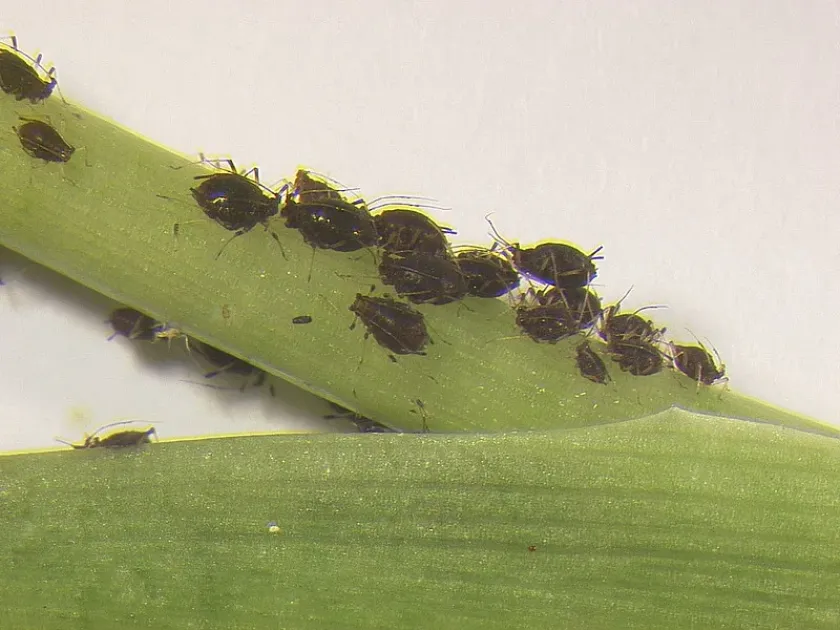
The biology of the virus is closely tied to the lifecycle of insect vectors, most commonly aphids. Without the presence of a vector, the spread of the pathogen in field conditions is virtually impossible, which is a key feature of epiphytotics of this type.
The infection is characterized by a long latent period during which the plant is already a carrier of the virus, but visual symptoms have not yet appeared. This complicates early diagnosis and control measures at the initial stages.
The genome of nanoviruses allows them to rapidly adapt to new host species, making them dangerous to a wide range of agricultural crops, including legumes and solanaceous plants.
Conditions for development
The development of the disease is promoted by the presence of an active population of insect vectors (aphids) during the spring and summer. Virus outbreaks often coincide with years of mass multiplication of vectors capable of carrying virus particles from infected to healthy plants.
Temperatures above 20-25 degrees Celsius significantly accelerate viral replication within host cells. A warm and prolonged spring creates ideal conditions for early infection of young crop seedlings.
The presence of weeds along field borders or near greenhouses serves as an infection reservoir. Perennial weeds can harbor the virus through winter, becoming a source of primary infection for the new season.
Failure to rotate crops and the use of infected planting material (seeds or tubers) are critical factors contributing to the accumulation of viral load in the soil and plants.
High planting density promotes faster movement of vectors between individuals, leading to rapid spread of necrosis across the entire field area.
Why it matters
The harmfulness of nanovirus necrosis manifests as a sharp decrease in yield, which can reach 60-80 percent in affected areas. Infected plants produce little to no marketable product.
The quality of the harvest declines: fruits become small and lose nutritional value, while seeds obtained from diseased plants have low germination energy and often carry a latent viral infection.
The virus triggers a general suppression of the plant's immune system, making it highly susceptible to secondary fungal and bacterial infections that ultimately destroy the crops.
Economic losses include not only the loss of yield but also the costs associated with continuous control of insect vectors and the necessity of replacing infected crops.
Nanovirus diseases pose a serious threat to the sustainability of agroecosystems, as there are no direct chemical treatments available for curing already infected plants.
Protection
The cornerstone of protection is the use of healthy, certified seed material free from viral infections. This prevents the introduction of the pathogen into clean fields via planting material.
Managing insect vectors using systemic insecticides helps curb the spread of the disease. It is important to conduct treatments at the first signs of pest appearance.
The eradication of weeds in fields and adjacent zones is a mandatory measure that deprives the virus of the ability to overwinter and accumulate outside of the crops.
Maintaining spatial isolation between new plantings and old, potentially infected areas helps reduce the risk of vector migration.
Timely removal and destruction (burning) of diseased plants showing signs of necrosis prevents further spread of the pathogen within the crop during the growing season.
Discussion
No discussions yet — be the first.