
Macluravirus
Macluravirus
Macluravirus is a genus of plant viruses in the family Potyviridae. These viruses are known for causing significant mosaic symptoms in susceptible hosts, particularly those in the Moraceae family.
What the section contains
Macluravirus
The virions are typically flexuous, filamentous particles measuring approximately 650 nm in length. Their genome consists of a single-stranded positive-sense RNA.
The type species of the genus is the Maclura mosaic virus. These viruses replicate within the cytoplasm, utilizing the host's cellular machinery to synthesize viral proteins and replicate their RNA genome.
Understanding the molecular biology of this genus is crucial for developing accurate diagnostic tools, such as ELISA tests or RT-PCR, to identify the presence of the pathogen.
The ability of the virus to induce systemic infection means that once a plant is colonized, the virus moves through the phloem to infect younger tissues and distal parts of the plant.
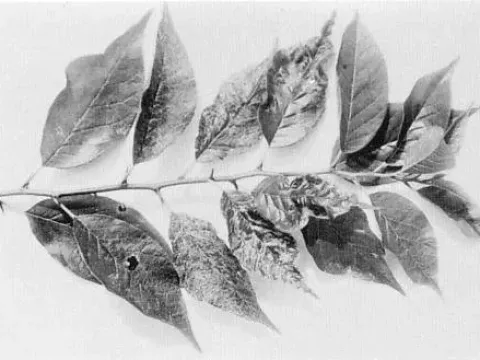
The most characteristic symptom of infection is mosaic patterns on the leaves, which appear as irregular light green or yellowish chlorotic patches mixed with healthy tissue.
Infected plants often exhibit stunted growth and leaf deformation, including curling, crinkling, or a reduction in overall leaf size, which impairs the photosynthetic capacity of the plant.
Plants may show reduced vigor, leading to a general decline in development compared to asymptomatic plants in the same field or nursery.
In some crops, the virus can cause the fruit to become malformed or change in pigmentation, severely reducing the market quality and commercial value of the harvest.
Latent infections are also possible, where the plant carries the virus without showing obvious symptoms, making it an undetected reservoir of the pathogen.
The primary mode of transmission in the field is through insect vectors, particularly aphid species, which acquire the virus while feeding on infected plant tissues.
Transmission is typically non-persistent, meaning the aphid can transmit the virus almost immediately after acquiring it, but loses the ability to transmit it after a short period of feeding.
Environmental conditions that favor large aphid populations, such as mild temperatures and moderate humidity, directly correlate with an increased incidence of viral spread.
Human activities are also significant factors in viral distribution, particularly when using contaminated pruning tools or during the grafting of infected scions onto healthy rootstocks.
The absence of strict sanitation protocols in nurseries can lead to the widespread distribution of infected planting materials across large agricultural areas.
The primary agricultural impact of Macluravirus is a reduction in crop yield caused by the physiological stress induced by the systemic viral infection.
Infected crops exhibit lower quality produce, with smaller fruit sizes and altered aesthetic characteristics that fail to meet commercial quality standards.
The weakened state of the plant makes it significantly more susceptible to secondary infections, such as bacterial or fungal pathogens that exploit the plant's stressed immune system.
Over time, the chronic nature of the infection can lead to the premature death of perennial crops, necessitating the early removal and replacement of infected orchards.
The economic loss involves not only the loss of yield but also the increased operational costs associated with continuous monitoring, pest control, and replacement of infected stocks.
The most effective strategy for managing Macluravirus is the use of certified virus-free planting material produced through established tissue culture techniques.
Implementing rigorous vector control programs, focusing on managing aphid populations with appropriate insecticides, can significantly reduce the rate of new infections during the growing season.
Promptly removing and destroying symptomatic plants is vital to minimize the local reservoir of the virus, thereby protecting the surrounding healthy crop.
- Sanitize pruning tools and machinery between plants using chemical disinfectants to prevent mechanical transmission of the virus.
- Maintain weed-free environments in and around production areas to eliminate alternative hosts for the virus and aphid habitats.
- Establish barrier crops or protective screens in nurseries to isolate vulnerable plants from insect vectors.
Breeding for resistance is considered the most sustainable long-term solution to mitigate the impact of Macluravirus in modern agricultural systems.