
Lychnis mosaic virus
Hordeivirus lychnis
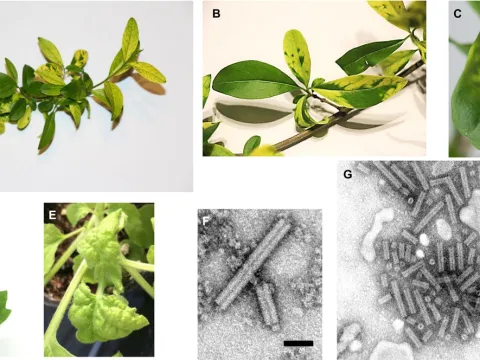
The causative agent of the disease is the Lychnis mosaic virus, which belongs to the Hordeivirus genus. This infectious agent is characterized by rod-shaped virions and contains single-stranded RNA as its genetic material.
What the section contains
Lychnis mosaic virus
The virus exhibits a high degree of host specificity, affecting primarily members of the Caryophyllaceae family. The Lychnis species is the primary host, but the virus can persist in various wild-growing plants within the same family.
Transmission of the pathogen in agricultural and natural settings occurs mainly through mechanical tissue damage. Unlike many other viruses, it does not rely on specific insect vectors, which simplifies its epidemiology.
Upon entering the cell, the virus initiates rapid replication, highjacking the plant's metabolic processes for its own needs. This leads to a systemic infection that eventually spreads to all plant organs, including the seeds.
The stability of virions in the environment allows them to persist in plant debris and soil, making the risk of re-infection in the same areas quite significant over consecutive growing seasons.
The first and most prominent sign of infection is the development of a characteristic mosaic pattern on the leaves. These areas feature alternating patches of light green, yellow, or chlorotic tissue.
As the disease progresses, visible deformation of the leaf blades occurs. The leaves often become wrinkled, curled, and their edges may develop a wavy appearance, significantly impacting the plant's aesthetic quality.
Infected plants exhibit stunted growth and delayed development. Internode shortening is frequently observed, which often results in a characteristic dwarf form that deviates from the normal habit of the species.
Flowering is adversely affected, leading to poor or absent bloom. Remaining buds often appear deformed, and the petals may lose their vibrancy or develop irregular streaks and spots.
- Chlorotic mosaic spots on leaves
- Leaf wrinkling and curling
- Stunted growth and dwarfism
- Deformed buds and irregular petal coloration
The spread of the virus within plantings is directly influenced by plant density. In crowded conditions, mechanical transmission through physical contact between healthy and infected foliage occurs much more rapidly.
Agricultural equipment plays a major role in dissemination. Tools such as knives and shears, if not properly disinfected between uses, act as primary vectors for transferring the virus from diseased plants to healthy ones.
The presence of weeds from the Caryophyllaceae family creates favorable conditions for virus accumulation. These weeds act as reservoirs where the virus survives during off-seasons, awaiting transmission to nearby crops.
Temperature fluctuations influence the speed of symptom manifestation. During warmer periods, increased plant metabolic activity can facilitate faster systemic movement of viral particles throughout the vascular system.
Moisture levels in soil and air indirectly influence disease progression by promoting active plant growth, which provides the pathogen with a continuous supply of tissues for replication and colonization.
The harmfulness of the Lychnis mosaic virus lies in the irreversible loss of plant ornamental value. Infected specimens lose their aesthetic appeal and become unsuitable for use in professional landscaping.
The destruction of chlorophyll in affected areas disrupts photosynthesis, leading to plant exhaustion. Consequently, the plant lacks the necessary stored nutrients to survive harsh winters effectively.
The virus significantly impacts seed productivity. Seeds harvested from infected Lychnis plants often show reduced germination rates, and seedlings may exhibit viral symptoms from the earliest stages of growth.
Massive outbreaks in nurseries require the disposal of large quantities of plant material, leading to direct economic losses and the risk of the infection spreading to other healthy batches.
Long-term consequences include the degeneration of plant varieties. Without proper management, the persistent presence of the virus can lead to the complete loss of a specific cultivar within a collection.
The primary control measure is rigorous phytosanitary monitoring. All plants showing any signs of mosaic patterns must be immediately removed and destroyed by burning to prevent further spread.
Disinfection of tools is mandatory. After each contact with a plant, cutting surfaces must be treated with alcohol or other effective sanitizing agents to prevent cross-contamination.
Preventative measures include aggressive weed control in the surrounding area. Keeping the perimeter free of wild Caryophyllaceae species minimizes the risk of the virus entering the managed crop.
Utilizing only certified healthy propagation material is essential. When acquiring new plants, it is crucial to inspect them carefully for any signs of chlorosis or leaf deformation before introducing them to the garden.
Maintaining high standards of horticultural practice helps improve overall plant vigor. Proper nutrition and irrigation help plants resist environmental stressors that often make them more susceptible to viral infections.