
Maclura mosaic virus
Macluravirus maclurae
The causal agent of the disease is the Maclura mosaic virus (Maclura mosaic virus), which is classified within the Macluravirus genus of the Potyviridae family.
What the section contains
Maclura mosaic virus
The virus consists of filamentous particles containing single-stranded RNA, a structure typical for many significant plant viruses that cause systemic infections.
It specifically infects Maclura species, interfering with their metabolic processes and causing long-term structural changes in the host plant tissues.
Transmission of the virus usually occurs through mechanical wounds or via specific aphid vectors that transmit the virus while feeding on plant sap.
Diagnostic verification involves ELISA testing or molecular analysis to confirm the presence of specific viral proteins or RNA sequences in the symptomatic plant tissue.
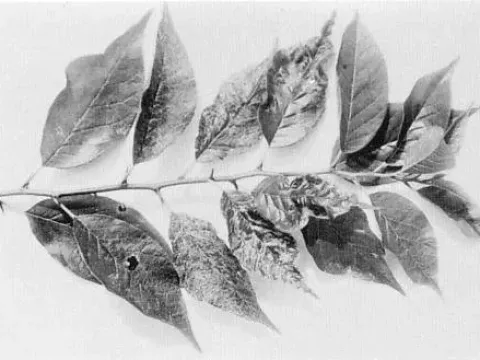
The most prominent symptom is a mosaic pattern on the leaves, characterized by distinct light and dark green mottling that follows the leaf veins.
Affected leaves may exhibit significant deformation, such as curling, crinkling, or stunted development, which negatively impacts the tree's architecture.
Chlorotic spots or elongated stripes may appear on young shoots, often leading to a visible reduction in the overall vigor and growth rate of the plant.
The disease frequently leads to premature senescence of foliage, causing trees to look sparse and sickly during the peak of the growing season.
- Mosaic patterns on leaves
- Leaf curling and deformation
- Stunted shoot growth
- Chlorotic spotting and striping
- Premature leaf drop
Disease spread is highly dependent on the presence of aphid populations that move between host plants, carrying the virus within their stylets.
Mechanical activities such as pruning or hedging without proper disinfection provide an entry point for the virus to enter healthy plant tissues.
Environmental conditions that favor rapid aphid reproduction often coincide with increased infection rates within commercial nurseries or private garden collections.
The introduction of infected nursery stock is the primary method of long-distance virus transmission, as the virus can remain latent for extended periods.
Proximity to other infected woody species can also contribute to the local spread, as vectors move freely between adjacent susceptible trees.
Infection significantly reduces the overall health and ornamental value of Maclura trees, making them unsuitable for landscapes and public planting schemes.
By weakening the host plant's internal system, the virus increases susceptibility to secondary fungal and bacterial attacks, leading to branch dieback.
The chronic nature of the disease ensures that once a tree is infected, it remains a reservoir of the virus for the rest of its life cycle.
Economic damage is most severe in nursery operations, where infected batches must be culled to meet quarantine standards and prevent further spread.
The long-term impact involves a gradual decline in the tree's lifespan, eventually resulting in the loss of the specimen if not properly managed.
The primary prevention strategy is the selection of certified, virus-free planting stock to ensure that the initial plants are healthy from the start.
Effective management requires rigorous control of aphid vectors using targeted insecticide applications during critical periods of pest activity.
Disinfection of all pruning and propagation tools is essential, using approved antiseptic solutions between every tree to stop mechanical transmission.
Immediate removal and safe disposal of symptomatic plants are mandatory to reduce the inoculum load within the affected area.
Maintaining a clean cultivation environment and monitoring for early signs of viral symptoms are crucial for the long-term protection of the orchard.