
Machlomovirus
Machlomovirus
Machlomovirus is a genus of plant-infecting viruses within the family Tombusviridae. The most economically damaging species is the Maize chlorotic mottle virus (MCMV).
What the section contains
Machlomovirus
The virus particles are small, isometric, and non-enveloped, containing a single-stranded positive-sense RNA genome that is highly stable in the environment.
MCMV is notorious for its ability to cause synergistic infections with other potyviruses, such as the Maize dwarf mosaic virus, resulting in lethal necrosis disease.
Transmission occurs through mechanical sap inoculation, infected seeds, and various insect vectors, including beetles, thrips, and leafhoppers that feed on maize tissues.
Because the virus remains infectious in soil and crop debris for extended periods, it poses a persistent threat to agricultural sustainability in endemic regions.
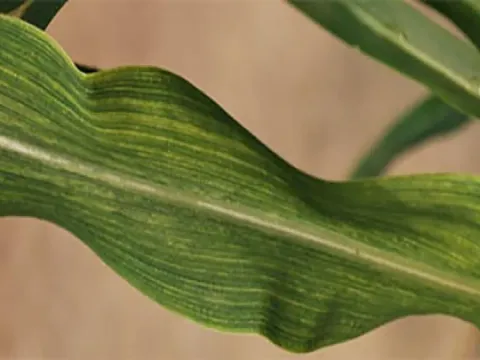
Initial signs of Machlomovirus infection include chlorotic spots on leaves, which gradually develop into characteristic light green or yellow streaks along the leaf veins.
Infected corn plants exhibit severe stunting, significantly shortened internodes, and a bushy appearance that distinguishes them from healthy vegetation.
The development of cobs is severely restricted, often resulting in small, malformed ears with poor seed set and overall reduced grain quality.
Under favorable conditions for the virus, plants develop progressive necrosis that leads to rapid wilting and premature death before reaching physiological maturity.
Symptoms are often visible in early vegetative growth stages, making the infection pattern identifiable through scouting and field monitoring programs.
Environmental conditions characterized by warm temperatures and moderate humidity promote the population growth of insect vectors, accelerating virus spread.
Continuous monocropping of maize provides a continuous host supply, allowing the virus to establish and persist in the local agroecosystem.
Agricultural practices that involve high plant density and lack of spatial isolation between different planting dates contribute to higher infection rates.
Mechanical damage to plant tissues during cultivation or irrigation allows the virus to easily enter and infect healthy corn plants from surrounding debris.
Presence of alternative weed hosts, particularly within the Poaceae family, serves as a reservoir for the virus, ensuring survival during the off-season.
Machlomovirus can cause catastrophic yield losses, reaching up to 100% in susceptible hybrids when environmental conditions favor disease development.
The disease causes profound physiological stress to the plant, leading to significant economic losses for farmers due to reduced grain weight and quality.
Infected crops are more susceptible to opportunistic pathogens, complicating the overall disease management strategy and increasing input costs for farmers.
Outbreaks of the disease may trigger local or national quarantine measures, limiting trade and movement of agricultural products from the infested zones.
The persistence of the virus necessitates long-term changes in farming practices, often forcing the abandonment of preferred high-yielding hybrid varieties.
The primary strategy for managing Machlomovirus is the deployment of resistant or tolerant corn hybrids that inhibit viral replication and symptom expression.
Integrated pest management (IPM) practices, including the control of insect vectors and weed hosts, are essential to reduce the primary inoculum load.
Implementing crop rotation cycles where non-host crops are used for several years helps break the virus cycle and depletes the soil reservoir.
Strict sanitation protocols for farm machinery and equipment prevent the accidental spread of the virus to previously uninfected fields.
- Utilizing certified disease-free seeds for planting.
- Creating spatial barriers between neighboring corn fields.
- Destroying crop residues immediately after harvest.
- Regular scouting for early detection of symptomatic plants.