
Maculatessellati mosaic virus
Tobamovirus maculatessellati
Description
Symptoms
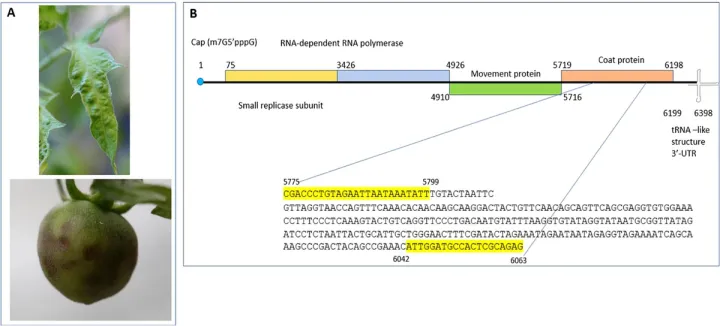
The primary symptom is a distinct mosaic pattern on the leaves, manifesting as alternating patches of light-green or yellow and dark-green tissue. These symptoms usually appear first on younger foliage, signaling systemic infection.
Infected plants frequently show leaf deformation, characterized by curling, wrinkling, or a stunted appearance. This physiological stress results in significant reduction in growth rates and overall plant vigor.
Fruit symptoms include irregular coloration, surface spotting, and deformation. These visible quality defects render the produce unmarketable, causing substantial financial losses during harvest cycles.
Advanced stages of the disease may involve necrosis of the terminal buds, which stops the vertical growth of the plant. This loss of apical dominance leads to lateral branching and a generally unthrifty growth habit.
- Mottling and chlorosis of leaves
- Distortion and curling of foliage
- Stunted plant development
- Necrotic spots on leaves and stems
- Reduced flower and fruit formation
Pathogen
The causal agent is the Tobamovirus maculatessellati, a member of the Tobamovirus genus. This virus is characterized by its high structural stability and ability to persist in diverse environmental conditions, including soil and contaminated plant residues.
The virus possesses a rod-shaped virion containing single-stranded RNA. Its ability to remain infective outside of the host organism for long periods makes it a persistent threat in agricultural environments, capable of surviving through winters in the soil.
Systemic infection spreads through the plant's vascular tissue, specifically the phloem, allowing the virus to reach the apical meristems and influence developmental processes. It primarily targets various solanaceous crops.
Mechanical transmission is the primary mode of spread, occurring via contaminated tools, handling, and direct leaf-to-leaf contact during routine maintenance. Unlike many other plant viruses, it is not typically vectored by insects.
Due to its high evolutionary potential and adaptation, the virus can quickly overcome plant defenses, requiring constant vigilance and strict adherence to biosafety protocols in modern crop production.
Conditions for development
The virus thrives within a temperature range of 20 to 28 degrees Celsius, which supports rapid replication within host cells. Even at lower temperatures, the virus remains viable, ensuring its presence in the soil and debris.
High planting density promotes the rapid transmission of the virus, as contact between plants becomes more frequent. Agricultural practices that cause minor tissue damage, such as pruning or training, facilitate the entry of the virus.
Reservoir hosts, such as various weed species, provide a bridge for the virus to survive between crop seasons. Eliminating these alternative hosts is essential to breaking the cycle of infection in field and greenhouse operations.
In greenhouse settings, constant handling of plants allows the virus to spread exponentially through human activity and contaminated tools. Without stringent sanitization, a single source of infection can lead to a greenhouse-wide outbreak.
Poor plant nutrition and environmental stress diminish the plant's defensive capacity, making it more susceptible to initial infection and leading to a more severe manifestation of symptoms.
Why it matters
The main threat lies in the irreversible nature of the disease, as there are no chemical agents capable of curing infected plants. Total yields can decline by 50% or more, depending on the crop and timing of infection.
Economic damage is further compounded by the loss of produce quality, as infected fruits fail to meet grade standards for retail. This results in waste and reduced income for farmers.
Persistence in the soil creates long-term challenges, as land may remain contaminated for several seasons, complicating crop rotation choices and forcing farmers to avoid susceptible varieties for years.
Weakened plants are highly prone to secondary opportunistic infections, such as bacterial or fungal decay, which complicate the diagnosis and increase the risk of complete crop failure.
Management costs are significant, including the expenses associated with quarantine, labor for the removal of infected plants, and the rigorous sterilization protocols required for tools and facilities.
Protection
Prevention is the primary strategy for managing this virus, as no chemical treatments provide effective control once the plants are infected. Using high-quality, virus-tested seed is the most critical preventative measure.
Strict sanitation protocols must be enforced, including the regular disinfection of tools using chlorine-based solutions or specialized virucides after every use. Maintaining clean hands and clothing when working with plants is essential to prevent transmission.
Early detection and immediate destruction of symptomatic plants are necessary to contain potential outbreaks. All infected material should be removed from the field and incinerated to prevent further dispersal.
Implementing a comprehensive weed control program reduces the reservoir of the virus. Crop rotation with non-host species is advised to deplete the viral load in the soil over time.
Selecting resistant cultivars is a key component of modern integrated pest management. Maintaining optimal plant health through balanced fertilization enhances the host's natural resistance and limits the severity of potential infections.
Discussion
No discussions yet — be the first.