
Kitrinoviricota
Kitrinoviricota
Kitrinoviricota is a large phylum of viruses within the kingdom Riboviria, characterized by a single-stranded, positive-sense RNA genome. In agronomy, this group comprises a vast number of pathogens that cause significant damage to a wide range of horticultural and field crops.
What the section contains
Kitrinoviricota
These viruses act as obligate intracellular parasites, hijacking the host plant's cellular machinery to facilitate their own replication. By interfering with normal metabolic pathways, they systematically disrupt plant growth and development.
Transmission of Kitrinoviricota viruses is highly efficient, primarily occurring through insect vectors such as aphids, whiteflies, and leafhoppers. These insects acquire the virus while feeding and subsequently inoculate healthy plants during feeding processes.
Mechanical transmission also plays a role in spreading the infection, particularly in greenhouses, through contaminated hands, tools, or machinery. Additionally, some viruses within this group can be seed-borne, leading to early onset of infection in crops.
Due to high mutation rates inherent in RNA viruses, these pathogens are remarkably adaptable. This genetic plasticity allows them to evolve and break the resistance mechanisms developed in modern crop breeding programs.
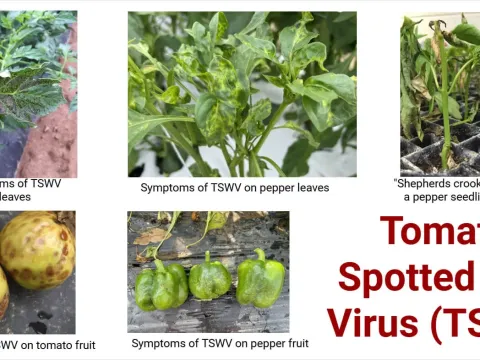
Symptoms of infection by Kitrinoviricota are usually systemic, affecting the plant's overall architecture and physiological health. A common hallmark is mosaic patterning, which manifests as mottled light and dark green patches on foliage.
Leaves often show severe deformation, crinkling, or curling. In many cases, leaves become narrow, thread-like, or stunted, significantly reducing the surface area available for photosynthesis, which in turn leads to poor energy production.
Stunting or dwarfing is another frequent symptom observed in field crops. Internodes become shortened, and the plant may exhibit an abnormal bushy appearance, which is a result of suppressed apical dominance and stunted growth.
Fruit quality is severely impacted by viral infection. Typical signs include discoloration, necrosis, blotchiness, or abnormal shaping. Such produce is usually unmarketable, causing substantial financial losses for the grower.
Root systems can also be compromised, resulting in decreased nutrient uptake and water absorption. In sensitive cultivars, this systemic stress can cause premature wilting and rapid death of the entire plant.
The economic impact of Kitrinoviricota on global agriculture is substantial, often ranking among the most damaging factors for crop production. The primary damage involves a severe reduction in total yield, which can exceed 50–70% in high-pressure years.
Beyond yield loss, the quality of harvest is significantly diminished. Nutritional content, shelf life, and organoleptic properties (taste and texture) are adversely affected, rendering the produce unsuitable for high-value consumer markets.
Infected crops serve as reservoirs for future outbreaks. If not managed properly, viruses can quickly spread to neighboring fields, affecting not only the current crop but also future planting cycles in the area.
Viral infection leaves plants highly vulnerable to secondary pathogens. Weakened immunity makes crops more susceptible to opportunistic fungal infections and bacterial rots, which often exacerbate the destruction caused by the primary virus.
Export restrictions are a significant consequence of regional viral outbreaks. Many nations maintain strict phytosanitary barriers, banning imports from regions where specific viruses are endemic, which restricts international trade opportunities.
Managing Kitrinoviricota relies entirely on preventative strategies, as there are no chemical or biological agents currently available to cure plants once they are systemically infected. Prevention is the cornerstone of effective management.
The use of certified virus-free planting material is the most critical step. Growers should prioritize the adoption of resistant or tolerant cultivars developed through breeding programs, which provide a level of protection against widespread viral strains.
Integrated Pest Management (IPM) is essential to limit insect vectors. By controlling aphids, whiteflies, and other vectors through timely insecticide applications or physical barriers, the transmission cycle of the virus can be effectively broken.
Maintaining high levels of hygiene in farming operations is vital. Regular disinfection of tools, equipment, and hands, especially in enclosed environments like greenhouses, prevents the mechanical spread of viral particles.
Field sanitation, including the removal of weeds that act as alternate hosts and the destruction of symptomatic plants, helps lower the initial inoculum levels in the environment, protecting healthy parts of the crop from infection.