
Lavender ilarvirus
Ilarvirus llcv
The causal agent is the Lavandula latifolia ringspot virus (LLCV), which belongs to the genus Ilarvirus within the Bromoviridae family.
What the section contains
Lavender ilarvirus
This virus is a positive-sense single-stranded RNA virus that specifically targets members of the Lavandula genus, leading to systemic infection.
The viral particles exhibit an isometric morphology and primarily spread through mechanical transmission, seed dispersal, and pollen-mediated movement.
Once introduced into a plant, the pathogen establishes a chronic infection, persisting within the plant tissues throughout its life cycle.
Vegetative propagation acts as the most significant vector for this virus, as using cuttings from infected mother plants ensures the pathogen's transfer.
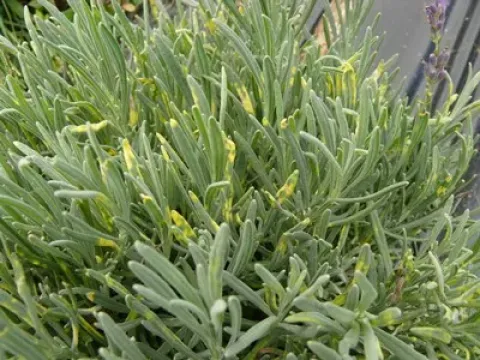
The primary symptom is the appearance of chlorotic ring spots on leaves, which become particularly visible during periods of rapid spring growth.
As the infection progresses, these spots often merge into distinct patterns, including concentric circles or lines that run along the leaf margins.
Infected plants typically show signs of stunting, characterized by shorter internodes and a overall reduction in the plant's structural vigor.
During the flowering stage, affected lavender bushes display sparse inflorescences and lower quality of essential oil accumulation.
Severe infestations often lead to premature foliage senescence and the gradual decline of the entire bush, impacting both aesthetic and agricultural value.
The rapid spread of the virus is often linked to high plant density, which facilitates the transmission of sap between neighboring plants through physical contact.
Agricultural equipment, particularly pruning tools, serves as a primary mode of spread if strict sanitation protocols are not observed between plants.
Environmental stressors, such as rapid temperature fluctuations, often trigger the activation of latent viral infections, making symptoms more pronounced.
Pollen movement is identified as a critical factor in the horizontal spread of the virus across lavender fields over successive seasons.
Wounds caused by trimming or natural breakage provide easy entry points for the virus, significantly increasing the probability of plant infection.
Lavender ilarvirus causes significant economic damage by reducing essential oil yields and compromising the quality of the raw floral material.
Fields affected by this virus exhibit a reduced productive lifespan, forcing farmers to undergo costly replanting cycles much earlier than anticipated.
Viral infection weakens the plant's overall biological defense, making it more susceptible to opportunistic fungal and bacterial pathogens.
The reduced vigor of infected crops leads to lower harvest quantities and a decreased market value for the final agricultural products.
Continued metabolic disruption caused by the virus affects the overall resilience of the plant to harsh weather conditions, such as drought or heat waves.
The primary control measure is the exclusive use of virus-indexed, certified disease-free planting material sourced from clean nurseries.
Implementing a rigorous sanitation program, including the immediate roguing and destruction of symptomatic plants, is essential to minimize spread.
- Disinfect pruning shears using alcohol solutions or dedicated virucidal agents between every single plant.
- Control potential insect vectors that might contribute to the mechanical spread of the virus.
- Establish spatial barriers between new plantations and potentially infected older fields.
Regular diagnostic monitoring of mother blocks is mandatory to ensure that cutting propagation does not perpetuate the viral load.
Providing optimal growing conditions through proper fertilization and stress reduction helps the plants manage their physiological health more effectively.