
Lucerne transient streak virus
Sobemovirus plyv
The causative agent is the Lucerne transient streak virus (LTSV), a member of the Sobemovirus genus. This small, RNA-based virus is characterized by its stability in the environment and its ability to cause systemic infection.
What the section contains
Lucerne transient streak virus
The disease spreads through the vascular system of the host plant, specifically the phloem, affecting the overall physiological development of the legume crop.
The virus is transmitted via mechanical contact, such as mowing or handling, as well as through infected seeds and specific insect vectors present in the fields.
Scientific studies confirm that the virus can exist in various strains, often occurring in mixed infections with other plant viruses, which makes accurate field diagnosis difficult.
The host range is primarily limited to legumes, with alfalfa (lucerne) being the most susceptible host, though clover and sweet clover also serve as reservoirs for the pathogen.
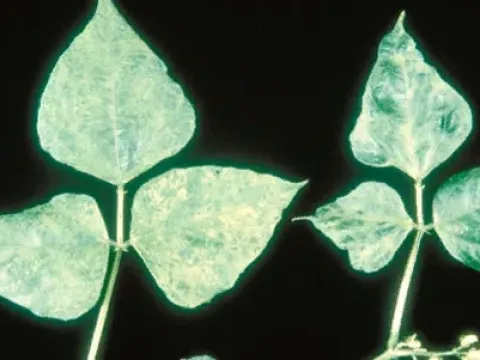
Initial symptoms include chlorotic spotting and a characteristic mosaic pattern on the leaves, appearing as light green or yellow patches against the normal leaf color.
As the infection progresses, leaves may become deformed, wrinkled, or show stunted growth, leading to a significant reduction in the overall leaf area of the plant.
Infected plants typically exhibit severe dwarfing and poor development compared to healthy specimens, creating uneven patterns in the field canopy.
Some plants display necrotic streaks or ringspots under stress conditions, which can be mistaken for other nutrient deficiencies or fungal infections.
Reduced vigor and poor flowering are common manifestations in the later stages of the viral infection, leading to diminished reproductive capacity of the plants.
Disease development is highly dependent on the population dynamics of insect vectors, which transmit the virus while feeding on plant tissues.
Warm and humid weather conditions are optimal for the spread of the virus, as these conditions favor both the growth of the host and the activity of the vectors.
Mechanical transmission plays a major role in fields during intensive agricultural practices, where contaminated equipment spreads the pathogen from plant to plant.
Perennial weeds in and around the fields act as long-term reservoirs for the virus, ensuring a consistent infection source for newly planted crops each season.
Environmental stress, including drought or excessive soil moisture, can exacerbate the impact of the virus, making plants more susceptible to systemic infection.
The economic impact is primarily driven by significant losses in both green fodder yield and seed production, reducing the profitability of legume farming.
The viral infection degrades the nutritional quality of the forage by lowering protein content and essential micronutrients, which are vital for livestock health.
Premature stand decline is a major consequence, as infected plants lack the vigor to survive harsh winters, leading to thin and unproductive fields.
The systemic nature of the disease weakens the root system, which decreases the longevity of the alfalfa stands and forces farmers to rotate crops sooner than planned.
Seed-borne transmission poses a risk to the industry, as the virus can be disseminated to new geographic areas through the movement of contaminated seed stocks.
The primary control strategy is the use of high-quality, certified, and virus-free seed lots to ensure that new plantings start without pathogen pressure.
Maintaining spatial isolation from old, infected alfalfa fields is critical to preventing the movement of insect vectors and the subsequent spread of the virus.
Integrated pest management, including the use of insecticides, should be implemented to suppress populations of potential vectors during the growing season.
Aggressive weed management in field margins and buffer zones is essential to remove wild legume hosts that act as seasonal virus reservoirs.
- Implementing crop rotation with non-host species to break the viral cycle.
- Sanitizing harvesting machinery to prevent mechanical transmission of viral particles.
- Monitoring fields during the early vegetative stage for rapid identification and removal of infected patches.