
Fort Pierce virus
Tobamovirus fortpiercense
Description
Symptoms
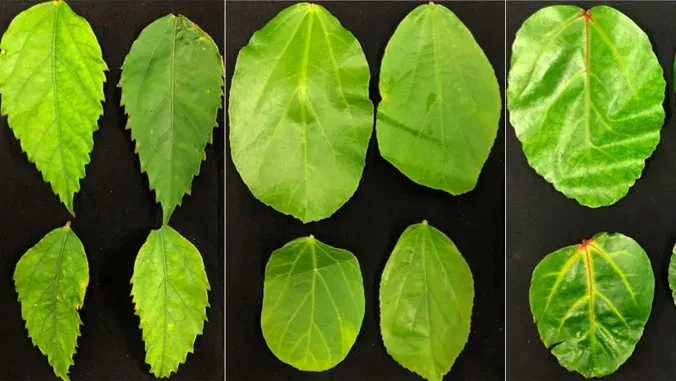
Common symptoms include mosaic patterns, chlorotic spots, and leaf mottling, which interfere with normal plant photosynthesis and metabolic processes.
Infected plants often display severe leaf distortion, stunting, and an overall reduction in growth rate compared to healthy plants.
Necrotic lesions may appear on leaves or stems, and in some species, the fruit may show surface discolorations, indentations, or misshapen growth.
The development of flowers and fruit is typically compromised, leading to significant yield losses and poor quality of the produce.
Early-stage infection in seedlings can lead to rapid failure of the growing point and potential collapse of the plant under stress.
Pathogen
The Fort Pierce virus (Tobamovirus fortpiercense) is a member of the Tobamovirus genus, a group of highly contagious plant viruses with significant economic impact.
This pathogen possesses a single-stranded RNA genome and exhibits exceptional physical stability, allowing it to survive for extended periods on surfaces, tools, and in debris.
The virions are rod-shaped, characteristic of the Virgaviridae family, and are known for their ability to remain infectious even after drying out or in soil.
Transmission occurs primarily through physical contact, making it a major concern in high-density cultivation areas where plants are frequently handled.
Seed transmission is another critical pathway, necessitating rigorous quality checks to prevent the introduction of the virus into new growing environments.
Conditions for development
The virus thrives in the optimal environmental conditions typical for protected greenhouse cultivation, with temperatures between 20 and 28°C being ideal.
Poor sanitation practices, such as failing to disinfect tools between rows or handling healthy plants after touching infected ones, drastically increase transmission rates.
High plant density creates a physical environment where contact between foliage and stems is frequent, facilitating the spread of the virus.
Weeds within or near the greenhouse can act as reservoirs for the virus, keeping the pathogen active even during crop rotations.
The absence of strict entry protocols for personnel allows for the introduction of the virus from external environments or contaminated clothing.
Why it matters
The economic impact of the Fort Pierce virus is primarily driven by substantial yield losses and the degradation of fruit quality.
Infected produce often fails to meet market standards, rendering it unsalable and causing direct financial losses for the grower.
Rapid spread throughout greenhouse facilities can lead to total crop failure, necessitating the complete removal and destruction of the infected cohort.
Long-term infestation of soil and infrastructure increases operational costs due to the need for continuous sterilization and sanitation efforts.
The virus limits the producer's ability to maintain a consistent and high-quality harvest, threatening the overall viability of the agricultural enterprise.
Protection
Preventive measures, including stringent sanitation and quarantine protocols, are the most effective way to combat the Fort Pierce virus.
Growers should prioritize the use of resistant or tolerant cultivars to minimize the risk of virus establishment and progression.
Regular disinfection of all tools, equipment, and working surfaces using effective disinfectants like sodium hypochlorite is mandatory.
Immediate roguing (removal) and destruction of symptomatic plants are essential to prevent secondary spread to healthy neighboring plants.
- Implementation of footbaths and restricted access for visitors at greenhouse entry points.
- Testing of seed lots before planting to ensure they are free from Tobamovirus contamination.
- Deep cleaning and steam or chemical sterilization of greenhouse soil and surfaces between seasons.
Discussion
No discussions yet — be the first.