
Cherry leaf curl
Epirus cherry
The disease is caused by the ascomycete fungus Taphrina cerasi, a specialized parasite that primarily targets the Prunus genus, including common cherry and sweet cherry trees.
What the section contains
Cherry leaf curl
The fungus survives the winter as a mycelium within the infected branches, buds, and bark tissues, remaining dormant until the spring season begins.
During the early stages of spring growth, the mycelium reactivates and colonizes the expanding buds and young shoots, marking the start of the primary infection cycle.
Reproduction involves the production of asci containing ascospores, which develop on the surface of infected leaves, appearing as a powdery, waxy coating.
These spores are highly mobile and can be dispersed by wind, rain splashes, and insect activity, facilitating rapid transmission of the disease across the orchard.
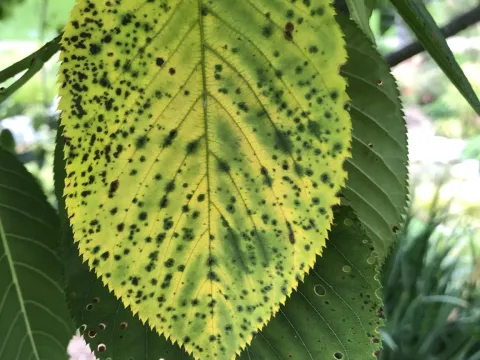
Initial signs of the disease appear in early spring shortly after leaf emergence, characterized by the abnormal thickening, curling, and distortion of the foliage.
The color of the affected leaves changes from deep green to pale yellow, light green, or occasionally reddish-brown, making them easily distinguishable from healthy growth.
A fine, whitish coating develops on the undersides of the distorted leaves, which is composed of fungal reproductive structures emerging through the plant epidermis.
Infected shoots exhibit stunted, twisted, and brittle growth, often forming dense clusters of malformed twigs frequently described as witches' brooms.
As the season progresses, infected leaves often wither and drop prematurely, leading to significant defoliation and a thinning of the tree canopy.
The development of the fungus is heavily dependent on cool and wet spring conditions, particularly when high humidity persists during the bud-break period.
Temperatures ranging from 10°C to 18°C are optimal for the germination of spores and the subsequent colonization of tender plant tissues.
Orchards with poor air circulation, often due to high planting density or lack of pruning, provide a sheltered, humid microclimate that favors infection.
Trees that are nutritionally deficient or under stress from severe winter weather exhibit higher susceptibility to infection by the pathogen.
Neglected orchards where infected debris is not cleared provide a constant source of inoculum, allowing the disease to persist and re-infect trees annually.
The primary impact of the disease is the significant reduction in leaf surface area, which limits photosynthesis and severely depletes the tree's energy reserves.
This physiological stress hinders the overall growth of the tree, weakens its immune system, and makes it more vulnerable to other pests and harsh winter conditions.
Fruit set and development are negatively affected; fruits on infected branches are often small, misshapen, or fail to mature properly, reducing harvest yields.
Continuous infection cycles lead to the long-term degradation of tree health, potentially resulting in the premature death of heavily infested cherry trees.
The presence of the disease creates a cumulative infection pressure that makes successful cultivation difficult without consistent management practices.
The primary management strategy involves the rigorous pruning and immediate destruction of all infected shoots to eliminate the internal reservoirs of the fungal mycelium.
Preventive chemical control is achieved through the application of copper-based fungicides during the dormant season, specifically before bud-break occurs.
During the growing season, if necessary, approved systemic fungicides can be applied to protect emerging foliage and manage the secondary spread of spores.
Maintaining high orchard hygiene standards, including the prompt removal of fallen leaves and infected fruit, is essential to minimize the disease inoculum.
- Pruning back infected branches to healthy wood to stop mycelial colonization.
- Application of dormant sprays as a standard preventive measure in late winter.
- Promoting good canopy aeration to decrease humidity levels around the foliage.