
Cheravirus
Cheravirus
Description
Symptoms
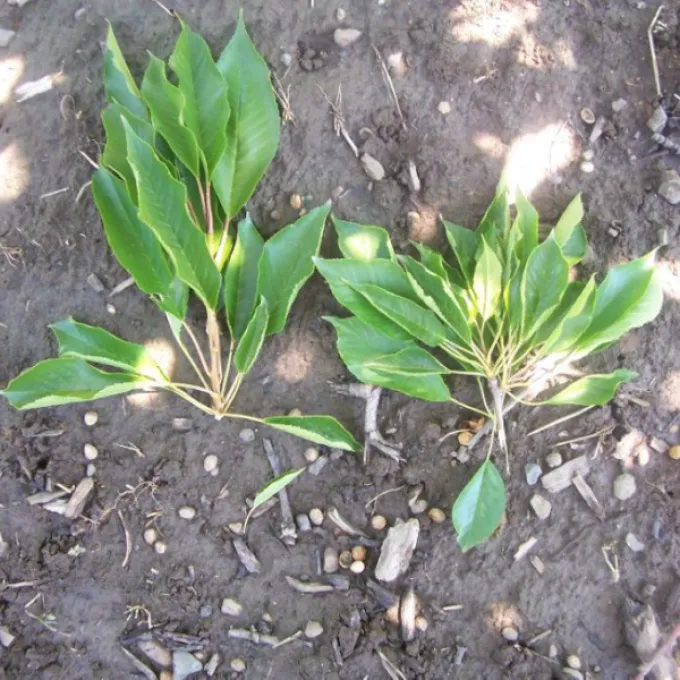
Symptoms typically manifest as chlorotic mosaics, ring spots, or linear patterns on leaves, which may appear during the early stages of the growing season.
Affected trees often show signs of stunted growth, shortened internodes, and leaf distortion, which significantly reduce the overall photosynthetic capacity of the plant.
In stone fruits, the infection can cause uneven fruit maturation, pitting, and changes in flesh texture, rendering the produce commercially unacceptable.
Trees may display progressive decline, with some branches showing significant dieback and a lack of vigor compared to healthy neighboring trees.
Symptoms are often patchy and irregular, reflecting the uneven distribution of the virus within the plant tissue during the initial phases of infection.
Pathogen
Cheravirus is a genus of plant viruses within the family Secoviridae. The name of this genus refers to its common association with cherry trees, which are frequently affected by these pathogens.
The virus particle consists of a bipartite, positive-sense single-stranded RNA genome enclosed in an icosahedral protein capsid. This structure allows the virus to infect host cells efficiently.
It acts as a systemic pathogen, meaning that once the virus enters the plant, it travels through the vascular tissue to colonize various parts of the host organism.
Cheraviruses primarily infect woody perennials, particularly members of the Rosaceae family, though their host range can vary depending on the specific viral strain.
The replication process takes place in the cytoplasm of infected cells, causing biochemical disturbances that manifest as visible disease symptoms across the plant foliage and fruits.
Conditions for development
The transmission of Cheravirus is primarily mediated by soil-borne nematodes, which introduce viral particles into the roots while feeding on them.
Propagation through infected nursery stock, such as contaminated scions or rootstocks, represents the most significant route for long-distance spread of the disease.
Environmental conditions that favor nematode activity, such as high soil moisture levels, facilitate the rapid transmission and secondary spread of the virus within orchards.
Alternative hosts, including various weeds growing in and around the orchard, can harbor the virus, acting as a reservoir that sustains the infection long-term.
Mechanical damage to roots during orchard maintenance operations also creates entry points, increasing the risk of viral uptake from the surrounding soil.
Why it matters
The economic impact of Cheravirus is severe, as it causes a long-term decline in orchard productivity and necessitates the removal of infected trees.
By compromising the plant's physiological health, the virus reduces cold hardiness and makes the trees more susceptible to secondary infections by fungi and bacteria.
Yield loss is significant, characterized by both lower fruit quantity and a sharp decline in quality, making the harvested product unsuitable for the market.
The need for orchard replanting and soil treatment against vectors leads to high financial losses for commercial producers over time.
Systemic viral infections can lead to the total collapse of orchard blocks, severely impacting the commercial viability of fruit-growing operations.
Protection
The use of certified, virus-free planting material is the most critical measure for preventing the introduction of Cheravirus into new orchard sites.
Rigorous phytosanitary practices, including the immediate removal and destruction of infected trees, are essential to minimize the source of inoculum.
Managing nematode populations through soil fumigation or the use of non-host cover crops can effectively decrease the risk of virus transmission.
Maintaining a weed-free orchard environment reduces the presence of alternative hosts, limiting the virus's ability to persist and spread.
Stringent quarantine and diagnostic testing protocols for imported nursery stock are vital to maintaining the health and biosecurity of the fruit industry.
Discussion
No discussions yet — be the first.