
Eggplant mosaic virus
Potyvirus melongenae
Eggplant mosaic virus belongs to the genus Potyvirus and is a significant pathogen affecting solanaceous crops. As an obligate parasite, it requires host cells to replicate, hijacking the plant's metabolic processes for its own life cycle.
What the section contains
Eggplant mosaic virus
The pathogen is characterized by flexuous filamentous virions containing a single-stranded RNA genome. This structure allows the virus to remain stable and highly infectious during its transmission process between susceptible host plants.
The virus is primarily transmitted by insect vectors, most notably various aphid species that act as mechanical carriers. These insects acquire the virus by feeding on infected plant tissues and subsequently transmit it while probing healthy plants.
The virus does not persist indefinitely in the soil, but it can be maintained in alternative host plants, particularly perennial weeds that belong to the Solanaceae family. These weeds act as vital reservoirs that survive the winter months.
Mechanical transmission is also a major concern, as the virus can easily spread through contaminated pruning tools, clothing, or even human hands that have touched infected sap. This is particularly frequent in greenhouse environments where plant handling is common.
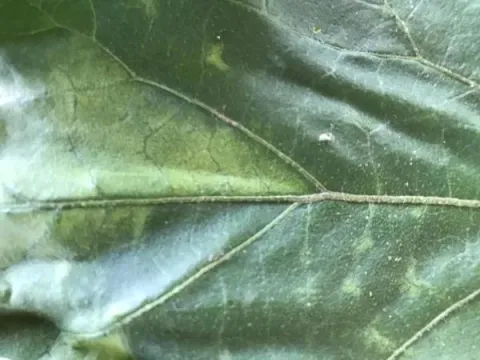
The primary symptom of the infection is a characteristic mosaic pattern on the leaves, featuring irregular patches of light and dark green colors. In severe cases, the foliage undergoes significant deformation, becoming narrow, crinkled, or filiform in appearance.
Systemic infection leads to stunted plant growth, resulting in smaller, less vigorous plants. The stems may exhibit necrotic streaking or browning, which further weakens the plant's structural integrity and physiological capacity.
Fruit symptoms are highly detrimental to market value. Infected eggplants typically display irregular, bumpy shapes, and their skin may show mottled spots or rings. The flesh inside often becomes fibrous and unpalatable, making the produce unsuitable for sale.
Flowering is significantly disrupted by the viral infection. Many flowers fail to open properly or drop prematurely, drastically reducing the number of fruit sets. The overall yield of the plant is compromised, often leading to total crop failure.
- mosaic mottling on leaves;
- leaf curling, distortion, and narrowing;
- stunted development and reduced vigor;
- deformed, bumpy, and spotted fruit;
- premature flower and bud abscission.
The virus spreads most rapidly during warm, dry conditions, which are ideal for the development and migration of aphid populations. Higher temperatures often accelerate the virus's replication cycle within the host tissue, leading to faster symptom expression.
Poor greenhouse hygiene is a primary driver of infection outbreaks. The failure to sanitize tools and surfaces allows the virus to transfer between batches of seedlings, which can lead to an epidemic throughout the entire nursery cycle.
Neglecting weed management is a critical error in preventing viral diseases. Since many weeds harbor the virus, failing to clear field margins creates a permanent source of infection that facilitates annual outbreaks as soon as the main crop is planted.
High-density planting, while efficient for yield, can exacerbate the spread of the virus if an infected plant is introduced into the field. Closer proximity between plants allows aphid vectors to transmit the pathogen with much greater efficiency.
Using seeds saved from infected plants is a dangerous practice, as some potyviruses can be seed-borne. This ensures that the pathogen is present from the very beginning of the growing season, often before any insect vectors arrive at the field.
The most severe impact of the virus is the significant reduction in marketable yield. Because the virus is systemic and currently lacks curative treatments, infected plants represent a complete loss in potential productivity for the grower.
Beyond quantity, the quality of the fruits is severely degraded. Distorted shapes and unsightly spotting render the produce worthless for both fresh consumption and processing industries, leading to substantial financial losses for agricultural enterprises.
The high transmissibility of the virus means it can quickly move through an entire field if not identified and removed immediately. Once the infection is widespread, the ability to harvest even a fraction of the crop becomes difficult.
The presence of the virus can discourage further cultivation of solanaceous crops in the affected areas. Growers may need to invest heavily in sanitation, soil management, and protective measures to break the infection cycle in the following years.
Increased dependency on chemical insecticides to control aphid populations adds to production costs and poses environmental concerns. This strategy is only partially effective and does not address the core issue of existing viral reservoirs near the fields.
The primary control strategy is prevention through the use of certified, virus-free seeds and transplants. Starting with healthy planting material is the most effective way to ensure a successful crop cycle without early-stage infection.
Rigorous management of insect vectors is essential. Regular monitoring and targeted applications of insecticides against aphids help reduce the rate of transmission, particularly during the early stages of plant growth when they are most vulnerable.
Strict sanitation protocols must be enforced. Any plant showing symptoms of mosaic should be immediately rogued (removed and destroyed) to eliminate the source of the virus. Burning or burying these plants deep underground prevents secondary spread.
Maintaining a weed-free buffer zone around the crop area is critical. By eliminating wild solanaceous host plants in the surrounding area, growers can significantly reduce the local reservoir of the virus and minimize the risk of insect-mediated transmission.
Practicing high levels of hygiene, such as disinfecting tools with a 10% bleach solution after every use, is mandatory. Employees should be trained to handle healthy plants before moving on to potentially infected sections to avoid carrying the virus on their hands or clothing.