
Sweetclover necrotic mosaic virus
Dianthovirus meliloti
The causative agent of this disease is the Dianthovirus meliloti, a plant virus belonging to the Dianthovirus genus. It primarily affects leguminous species, with sweetclover (Melilotus) being a common host.
What the section contains
Sweetclover necrotic mosaic virus
As an RNA virus, it interferes with the plant’s cellular processes, leading to significant physiological disruptions throughout the systemic infection stage.
The pathogen is highly persistent, capable of surviving in plant debris and infested soils, which serves as a primary inoculum source for subsequent seasons.
Transmission occurs primarily through mechanical sap inoculation, often facilitated by farm equipment, as well as through soil-borne nematodes acting as vectors.
Its biological cycle is characterized by rapid multiplication in host tissues, making early detection difficult before visual symptoms appear.
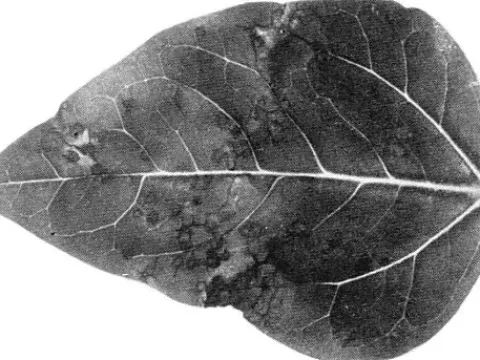
The disease typically manifests as chlorotic mottling or spotting on leaves, which progressively develops into necrotic lesions as the infection advances.
Infected plants often exhibit stunted growth, reduced internode length, and overall morphological distortion of the foliage.
Mosaic patterns, alternating light and dark green tissues, are indicative of the virus's impact on chlorophyll synthesis and chloroplast structure.
Reproductive development is severely hampered, resulting in flower abortion, poor pod set, and a significant reduction in seed yield and quality.
Leaf margins may show necrosis and drying, which eventually leads to premature senescence of the affected plant parts.
Viral spread is favored by moderate temperatures and high humidity, which support the activity of both mechanical carriers and potential soil-borne vectors.
Dense crop stands increase the probability of virus transmission through direct physical contact between adjacent plants in the field.
Soils with high populations of specific nematodes are more prone to harboring and spreading the virus within the rhizosphere of healthy legumes.
Agricultural practices that involve frequent movement of machinery through the field facilitate the spread of the virus via sap contamination.
Poor drainage and presence of alternate weed hosts in field margins provide a consistent reservoir for the pathogen to persist and re-infect new crops.
The virus causes substantial biomass loss, which directly reduces the yield and nutritional value of forage harvested from affected sweetclover fields.
Seed production is negatively impacted by the systemic nature of the infection, often leading to unviable or malformed seeds that are unfit for planting.
Plants weakened by the virus demonstrate poor winter hardiness, leading to increased winterkill and thinning of the established legume stands.
The reduction in vigor makes the crop highly susceptible to secondary pathogens, including root rots and various opportunistic fungal infections.
Overall economic damage is significant in seed production areas, where the quality standards for grain are compromised by viral presence.
Implementing a strict crop rotation strategy is essential, ensuring a minimum interval of three to four years between planting legume hosts on the same field.
Utilizing certified, virus-free seed is a critical preventative measure to ensure that fields do not start with an initial inoculum burden.
Effective weed management, particularly focusing on wild legumes in field borders, helps eliminate secondary reservoirs of the virus.
Sanitation of agricultural machinery after working in infected areas is necessary to prevent mechanical transmission to healthy fields.
- Regular monitoring of crop health.
- Control of soil-borne vectors like nematodes.
- Optimizing fertilizer application to boost plant vigor.