
Tamarillo mosaic virus
Potyvirus betaceum
Description
Symptoms
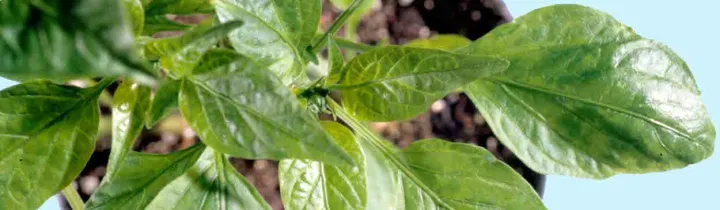
The hallmark symptoms include a distinct mosaic or mottle pattern on leaves, featuring a mix of light-green, yellow, and dark-green patches. This pattern is often accompanied by chlorotic spots.
Affected plants typically show stunted growth and deformed foliage. Leaf curling, twisting, or reduction in leaf size are common indicators that the plant’s hormonal balance has been disrupted.
Fruit symptoms are particularly detrimental, manifesting as uneven coloration, surface pitting, and overall distortion. Such fruits are unmarketable and fail to meet industry quality standards.
Stems may show signs of streaking or chlorosis, and in severe cases, the apical meristem dies, leading to the cessation of primary growth and potential death of the plant.
- Mottled leaf mosaic
- Foliar deformation
- Plant stunting
- Fruit distortion and pitting
- Apical growth necrosis
Pathogen
The causal agent of this disease is the Tamarillo mosaic virus (TaMV), which belongs to the Potyvirus genus. As a positive-sense single-stranded RNA virus, it is highly infectious and affects various solanaceous plant species.
Transmission of the virus occurs primarily through insect vectors, specifically aphid species. The virus is non-persistently transmitted, meaning aphids can acquire and transmit the virus within minutes of feeding on an infected plant.
Mechanical transmission is another critical pathway, occurring during routine horticultural tasks. Cutting tools, contaminated hands, or rubbing leaves of healthy plants against infected ones facilitate the spread of viral particles.
The virus persists in reservoir hosts, including wild weeds or infected perennial crops, which serve as a source of primary inoculum when weather conditions favor insect movement.
Upon infection, the virus spreads systemically through the phloem. It interferes with the plant’s cellular metabolism, redirecting resources toward viral replication and compromising plant defense mechanisms.
Conditions for development
Outbreaks are heavily influenced by the activity of aphid populations. Warm, dry weather conditions stimulate vector reproduction and migration, significantly increasing the probability of viral transmission.
High-density planting creates a microclimate that allows for easy spread of the virus. Proximity between plants ensures that vectors can quickly move from an infected host to a healthy neighbor.
Environmental stress, such as water deficit or poor nutritional levels, weakens the plant's ability to resist infection. A stressed plant is much more susceptible to the systemic colonization of the virus.
Lack of sanitation in greenhouse environments is a major contributor to the disease's spread. Contaminated shears and tools are often ignored as a source of rapid secondary infection within the crop.
The presence of wild solanaceous weeds around agricultural fields acts as a year-round reservoir. Inadequate weed control practices allow the virus to persist in the area and re-infect the main crop each season.
Why it matters
The primary economic harm is a substantial decrease in crop yield. Infected plants struggle to perform basic physiological functions, resulting in fewer and smaller fruits.
Product quality is severely compromised, as the deformity and discoloration of fruits make them unsuitable for sale, leading to significant financial losses for the grower.
Viral infection renders the plant highly susceptible to opportunistic diseases, such as fungal pathogens or bacteria, which can cause rapid collapse of the entire crop population.
The cost of managing an outbreak is high. Resources must be diverted to vector control, intensive scouting, and the expensive process of removing and disposing of infected material.
In cases of severe infestation, the cumulative damage can lead to the abandonment of an entire plot, illustrating the high risk this virus poses to solanaceous agriculture.
Protection
The most effective strategy involves controlling insect vectors. Regular monitoring of aphid populations and the use of appropriate insecticides can break the chain of virus transmission.
Strict sanitation measures are essential. All cutting tools must be disinfected frequently using appropriate chemical agents to prevent mechanical transfer between healthy and symptomatic plants.
Implementation of rigorous weed control in and around cultivation areas eliminates primary infection sources. Removing reservoir hosts is a key component of integrated pest management.
Rogueing, the process of promptly identifying and removing symptomatic plants, is crucial to limit the focus of infection. Infected material should be destroyed immediately, preferably through burning or burial.
Focusing on the use of clean, virus-indexed nursery stock is the foundation for prevention. Because there are no chemical cures for viral infections, exclusion and prevention remain the only viable protection methods.
Discussion
No discussions yet — be the first.