
Daphne virus
Daphne virus
The causative agent of this disease is the Daphne virus, a specific plant pathogen that targets the Daphne genus. It is a systemic virus, meaning it colonizes the vascular system and spreads throughout the entire host plant.
What the section contains
Daphne virus
As an obligate parasite, the virus relies entirely on the host's cellular machinery to replicate and survive. It cannot exist or multiply independently outside of living plant tissues.
The disease is typically classified as a systemic mosaic or ringspot viral infection, which causes significant disruption to the plant's normal physiological and metabolic processes.
The virus exhibits high stability and can persist in the perennial tissues of shrubs, including roots and dormant stems, allowing it to survive over the winter months.
Transmission occurs primarily through the movement of infected sap during propagation or pruning, as well as through various insect vectors that feed on the foliage of the host plants.
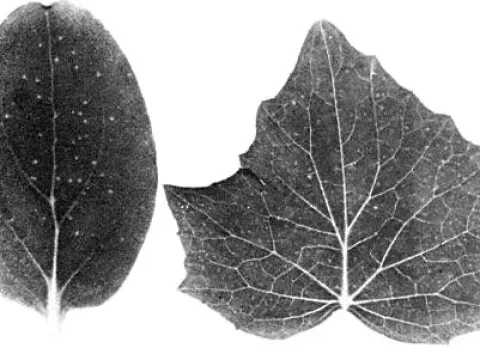
The most prominent symptom is the appearance of chlorotic spots on the leaves, often arranging themselves into complex rings, arches, or typical mosaic patterns.
Affected leaves may show discoloration, ranging from light yellow to pale green, which significantly diminishes the aesthetic appeal of the ornamental shrub.
Deformation of foliage is common; leaves may become curled, wrinkled, or asymmetrical as the virus interferes with normal tissue growth and development.
Infection significantly impairs flowering, resulting in poor bud formation, faded flower colors, or the complete failure of buds to open properly during the season.
In some cases, the virus may remain latent, with the plant showing few signs until environmental stress causes a sudden decline in overall health and vigor.
Favorable conditions for the spread of the virus include high humidity and moderate temperatures, which facilitate the activity and reproduction of insect vectors like aphids.
Improper hygiene during horticultural practices is a critical factor; using unsterilized tools for pruning or cuttings can easily transfer the virus from diseased plants to healthy ones.
Poor plant health, resulting from inadequate nutrition or improper soil conditions, weakens the plant's natural defenses and makes it more susceptible to viral colonization.
The presence of wild reservoir hosts, such as certain weeds in the surrounding area, can provide a continuous source of inoculum for the virus to enter garden beds.
Environmental stress, such as drought or excessive heat, can aggravate the symptoms of the infection and accelerate the spread of the virus within the plant tissues.
The primary impact of the virus is the total loss of the plant's ornamental value, rendering it useless for landscaping or nursery production purposes.
Persistent viral infection leads to the gradual decline and eventual death of branches or the entire shrub, as the plant loses its vitality over multiple growing seasons.
The virus poses a severe threat to nurseries, as infected stock acts as a vector for spreading the disease to new locations, potentially leading to quarantine issues.
Economic damage is substantial, involving not only the loss of high-value plants but also the costs associated with eradication, soil testing, and preventative management.
Because there are no curative chemical treatments for viral diseases, the economic loss is often compounded by the need to remove and replace entire plantings.
Prevention is the only effective management strategy, beginning with the acquisition of healthy, disease-free nursery stock from reputable sources.
Strict sanitation protocols must be maintained, including the rigorous sterilization of all gardening tools between plants to prevent mechanical virus transmission.
- Regular monitoring and management of insect populations that serve as vectors.
- Elimination of weeds and volunteer plants that might host the virus.
- Immediate removal and destruction of symptomatic plants to minimize the source of infection.
Maintaining optimal growing conditions, including proper fertilization and adequate hydration, helps plants maintain a robust immune response against viral stress.
If an infection is confirmed, replacing the affected area with non-host species is often the most practical long-term strategy for garden recovery.